


What Is Website DNS and Why Does Proper Configuration Help Ensure More Stable Access?


When users enter a domain name into a browser, they usually see only the familiar address in the URL bar. Behind that seemingly simple action is the DNS resolution process, in which the domain name is matched with the address of the server hosting the website. If DNS is configured correctly, visitors can reach the intended system. Conversely, a single incorrect, missing, or not-yet-updated record can prevent a website from opening, cause old content to be displayed, or make the site operate intermittently.
DNS is not the only factor that determines a website’s speed or stability, but it is a foundational part of the connection chain between users, the domain name, and the server. Website owners, content administrators, and technical staff should all understand the basic concepts so they can identify issues and coordinate appropriate solutions.
How Does DNS Work?
DNS, short for Domain Name System, can be understood as a system that converts easy-to-remember domain names into addresses that computers use to locate a server. Users typically remember a domain name rather than a string of numbers. When a browser receives an access request, it needs to find the corresponding information through DNS servers before establishing a connection to the location hosting the website.
This process does not necessarily start completely from scratch each time a site is accessed. The browser, operating system, local network, or Internet service provider may temporarily store the resolution result in a cache. As a result, subsequent visits may be faster. However, caching is also why DNS changes are not always visible immediately on every device.
In practice, the domain registrar, the DNS management provider, and the server provider may be three different parties. Administrators need to clearly identify where the authority to edit DNS records is held. Logging in to the wrong control panel or changing the wrong section can cause a configuration to have no effect, even though the interface reports that the change has been saved.
Common DNS Records
Each type of record has its own role. An A record is commonly used to point a domain or subdomain to a server’s IPv4 address. An AAAA record serves the IPv6 address. If a website uses a server whose address changes, updating the corresponding record is the first thing to check when users cannot access the site.
A CNAME record allows a subdomain to point to another domain name instead of directly pointing to a server address. This is often useful when an external service provides a fixed target name for a website or a secondary system. However, CNAME records have their own usage rules and should not be placed arbitrarily in every location within the DNS zone.
An MX record is related to identifying the mail server that receives email for a domain. Therefore, changing DNS to move a website to a new server does not mean the MX record can be changed without verification. If the email configuration is accidentally replaced or deleted, the website may continue to work while email sent to the domain is no longer received at the correct location.
TXT records are commonly used to provide verification information or policies for other services. Some email configurations also rely on TXT records to support sender authentication. When adding a record, its value as provided by the service should be preserved, and records serving another function should not be deleted.
Why Do DNS Changes Take Time?
Each record generally has a TTL value, which can be understood as the amount of time intermediate systems are allowed to store the result before querying the DNS server again. When a record is edited, users who are still using the old data may continue to access the site according to the previous configuration until the cache expires or is updated.
Therefore, moving a website to a new server should be prepared in advance rather than carried out during peak periods. Administrators should verify the target address, back up the current configuration information, and identify the services that depend on the domain name. After making the change, they should test from multiple networks or devices, since each location may be holding a different DNS result.
You should not conclude that the configuration is broken simply because one device has not seen the change immediately. Conversely, you should not assume everything is complete simply because the administrator’s computer can access the website. Checking multiple connection paths, the primary domain, the domain with the www prefix, and important subdomains will provide a more complete picture.
Common DNS Errors in Website Operations
Pointing to the Wrong Server Address
This is a common error when a website is migrated or a server is replaced. The domain name may lead to the old server, a provider’s default page, or an entirely different system. When troubleshooting, compare the current address with the information provided by the hosting provider, and also check the A, AAAA, and CNAME records if these records coexist.
Missing Configuration for Subdomains
The fact that the main website is working does not mean that all subdomains have been configured. Addresses used for administration, images, applications, or separate services may use independent records. If only the homepage is checked, an administrator can easily overlook an important component that is returning an error.
Accidentally Affecting Email
DNS manages many types of services at the same time. During edits made to support a website, an email record may be deleted, replaced, or entered incorrectly. Before each change, it is advisable to make a list of the services using the domain name, including the website, email, verification tools, and integrated platforms. This list helps prevent solving one problem while creating another.
Creating Duplicate or Conflicting Records
Multiple records of the same type for a domain are not always incorrect, but they should have a clear purpose. The simultaneous existence of values that are no longer in use can produce inconsistent access results. When cleaning up DNS, do not delete records based on guesswork. It is better to identify the owner and function of each record before making changes.
A Safer DNS Checking Process
First, record the current state: which server the domain is using, what the important records are, and which services depend on them. You can save screenshots or a copy of the configuration for easier comparison if an issue arises. This information is especially useful when multiple people are involved in administration.
Next, make changes in small groups rather than editing everything at once. If migrating a website, confirm that the new server is ready, the data has been checked, and the necessary settings have been completed before changing the domain’s direction. After saving, check the homepage, important pages, contact forms, email, and integrated services.
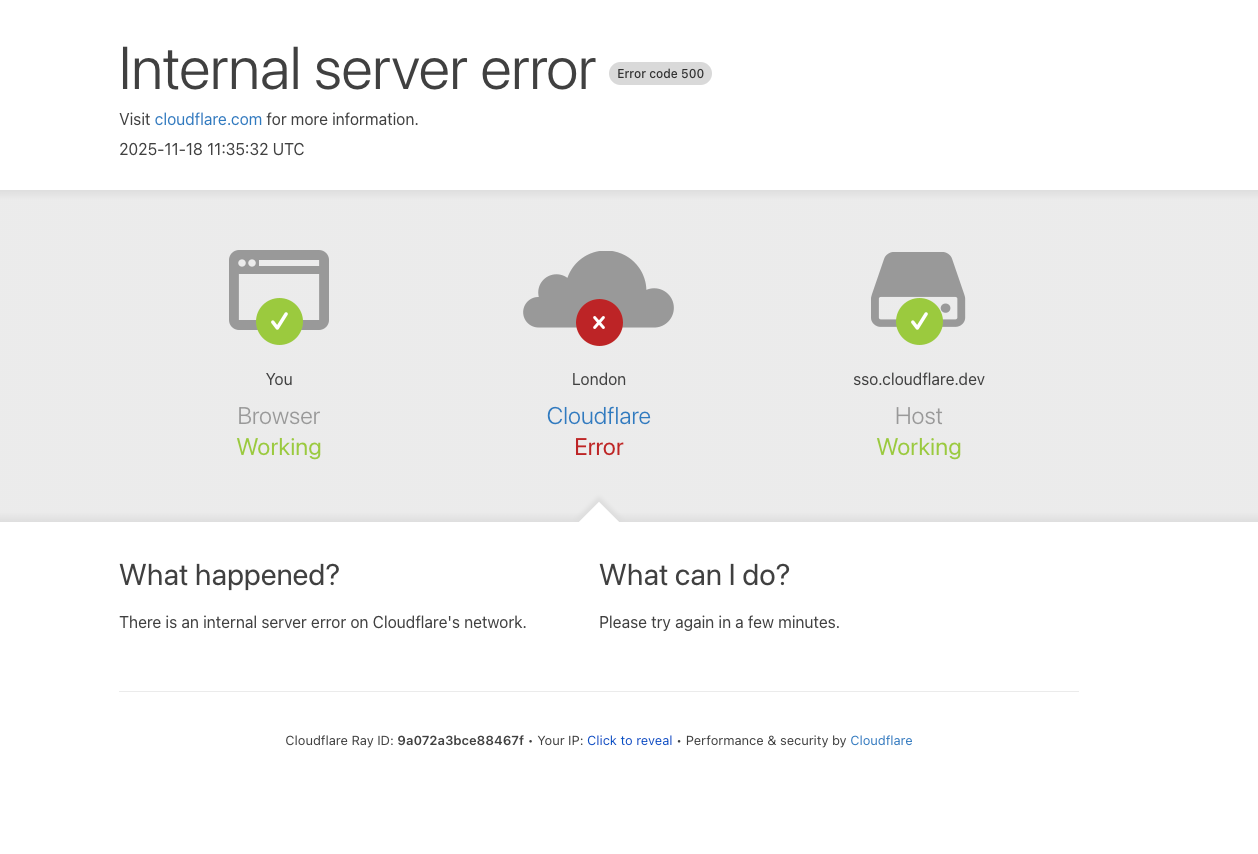
During the monitoring period, distinguish DNS errors from server errors. If the domain has not resolved correctly, the browser may report that it cannot find the address or establish a connection. If DNS is pointing correctly but the website returns an error code, displays a blank page, or fails to load resources completely, the cause may lie with the server, application, certificate, or website configuration. Correct classification helps avoid changing DNS repeatedly without addressing the actual problem.
DNS and Domain Security
Control over DNS directly affects the website and many related services. Domain administration accounts should be protected with strong passwords, additional authentication if supported by the provider, and appropriate access permissions. A single shared account should not be given to too many people without a process for recording changes.
In addition, unusual change notifications should be monitored. An unfamiliar record could redirect users to an unwanted destination or disrupt email. Regular checks do not replace account protection mechanisms, but they help detect changes outside the operational plan at an early stage.
Conclusion
DNS is an important connection layer that often receives attention only when a website encounters a problem. Understanding the role of records, the time required for updates, and the relationship between DNS, email, and servers makes administration more proactive. Each change should be prepared with a record of the current configuration, carried out in a controlled manner, and tested from multiple environments. When DNS is treated as part of the operational process rather than a setting that only needs to be configured once, website owners can reduce many unnecessary risks and resolve problems more quickly.