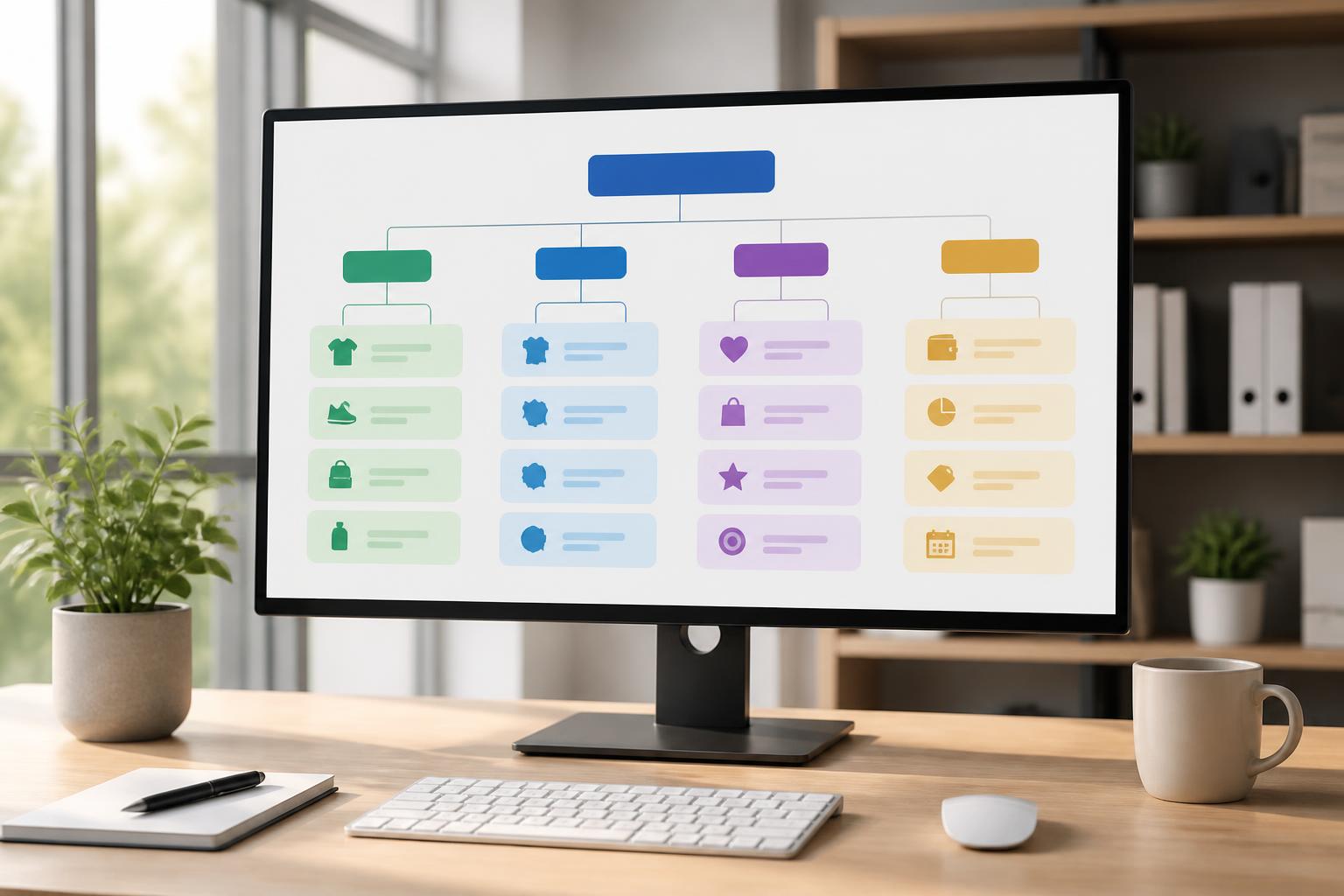



Segmenting Customer Audiences in Facebook Ads: From New Reach to Timely Retargeting


A Facebook Ads campaign can generate a large number of impressions and still perform poorly if every user group is shown the same content. People who have never heard of the brand need an explanation of what problem the product solves, while those who have viewed a lot of content may simply be waiting for a specific reason to get in touch or make a purchase. Existing customers, meanwhile, often need completely different information, such as usage instructions, complementary products, or post-purchase care programs.
Therefore, instead of only dividing the budget among a few interest groups, businesses should view Facebook Ads as a multi-layered outreach system. Each layer represents a different level of interest, accompanied by its own objective, message, content, and exclusion method. Segmentation is not about mechanically splitting campaigns into smaller parts. It is a way of organizing customer audiences so that advertising aligns more closely with viewers’ actual situations.
Why Segment Audiences?
Not everyone who sees an ad starts from the same point. Someone completely new may not know the brand, understand their own needs, or be ready to submit their information. Someone else may have visited the website, viewed a product page, or interacted with a video and could be comparing several options. If these two groups receive the same ad, the business can easily end up in one of two situations: a message that is too generic for people who are already interested, or one that is too pushy for people encountering the brand for the first time.
Segmentation helps answer three important questions. Who is the business speaking to? How familiar is that person with the brand? What is the most reasonable next step for the ad to encourage? Once these questions are clarified, the content can feel more natural, and performance evaluation becomes less dependent on a single metric.
This approach also helps limit overlap between groups. If someone belongs both to a new-customer audience and to an audience that has visited the website, the system may deliver inconsistent messages. Using appropriate exclusion conditions helps prioritize groups with higher intent while avoiding spending the budget to reintroduce information that users already know.
Four Common Audience Layers in an Advertising Journey
1. New-Reach Audience
This group consists of people who have shown no clear signs of interaction with the brand within the data scope the business is using. It can be built from broad targeting directions, suitable customer characteristics, or signals that the platform allows advertisers to select. For a new-reach audience, the main objective is usually to build awareness and attract initial attention, not to immediately present every promotion or ask viewers to make a complex decision.
Content for this layer should focus on problems, needs, and usage contexts. A furniture brand might discuss ways to optimize a small space; a software provider might describe bottlenecks in work processes; a skincare store might explain how to build a routine suited to a particular skin condition. Such content gives users a reason to pause without making the ad feel like a sales pitch lacking context.
Businesses should also exclude people who have already shown a certain level of interest, such as existing customers or people who have just completed a conversion action. The purpose is to keep the new-reach layer focused on expanding reach, rather than repeatedly delivering basic messages to people who have already progressed further along the journey.
2. Audience That Has Engaged with Content
The second layer includes people who have watched a video, interacted with a post, visited the Facebook page, or taken an action indicating that they have noticed the brand. This group’s level of interest is higher than that of a completely new audience, but it does not necessarily mean they intend to purchase. This is an appropriate stage for providing additional information that helps viewers understand the product, the business’s working approach, or its points of difference.
Instead of repeating awareness messages, ads can offer more detailed explanatory content. An introductory overview video can be followed by content presenting the process, application scenarios, or criteria to consider before making a choice. If a product has multiple versions, the business can use this layer to guide viewers in identifying the right option instead of simply emphasizing a call to purchase.
The period used to define whether users belong to the engaged audience should be considered in relation to the purchase cycle and the characteristics of the industry. Products involving quick decisions may require a short window to remain relevant. For services with a longer consideration process, a broader period may be useful, but response levels should still be monitored to avoid reaching people who are no longer interested.
3. Audience That Has Visited or Shown Intent
This group has stronger signals, such as people who have visited the website, viewed a product page, started filling out a form, sent a message, or taken an action close to conversion. Depending on the data structure and tools being used, businesses can build groups based on valid recorded behaviors. The important point is not to treat every visit as equally valuable. Someone who reads an article may still be in the research stage, while someone who views a pricing page or starts the registration process may need a different message.
Ads for this layer should help remove the final obstacles. Businesses can clarify terms of use, the consultation process, response times, delivery policies, or common questions that make customers hesitate. If there is an offer, it should be presented transparently and linked to a specific action. Businesses should not use artificial urgency simply to pressure people who do not yet have enough information.
People who have shown intent should also be excluded from ads that are no longer relevant after they complete a conversion. If someone has submitted a form but continues to see ads asking them to fill out the form, the brand experience will become inconsistent. Data from customer management systems or sales platforms can support status updates, provided that the business complies with regulations on privacy and data use.
4. Existing Customers and People Who Have Converted
Existing customers should not be treated as a group whose role in advertising has ended. They may need post-purchase guidance, complementary products, renewal packages, or information about programs for existing customers. However, the objective at this layer differs from the objective of finding new customers. If they are given the same message as people who have never purchased, the business will miss opportunities to build long-term relationships.
Content for existing customers should be based on the product purchased, the purchase date, and likely subsequent needs. A business selling equipment might provide replacement supplies or maintenance instructions. A software provider might introduce additional features to suitable user groups. How deeply to segment depends on data quality, the purchase cycle, and the ability to synchronize systems.
Designing Messages According to Interest Level
Audience segmentation is meaningful only when the content between layers is genuinely different. The difference does not necessarily need to involve every image or phrase; it can begin with the ad’s task. The new-reach layer answers the question: Is this problem relevant to me? The engagement layer helps viewers understand whether the brand has a solution worth considering. The intent layer focuses on the reasons they have not yet taken action. The existing-customer layer aims to maintain value after the transaction.
Businesses should create a simple matrix with four columns: audience group, awareness status, main message, and desired action. This approach helps identify inconsistencies before ads go live. For example, a new audience that is immediately asked to book a consultation may be receiving too demanding a call to action. Conversely, an audience that has viewed the pricing page several times but is shown only basic introductory content may not be receiving the right prompt at the right time.
Messages also need to be consistent with the landing page. If an ad for people who are already interested emphasizes a specific benefit but sends users to a generic homepage, the journey will be interrupted. Each layer needs not only a suitable ad creative but also a corresponding destination, a reasonable response speed, and a clear intake process.
Controlling Overlap and Avoiding Overly Small Audiences
A common mistake is creating too many small groups with overlapping conditions. In that situation, businesses have difficulty determining which layer produced the results, budgets become fragmented, and the system has little room to distribute ads. Segmentation should begin with differences that are meaningful to behavior or messaging, not with every variable available in the Ads Manager.
Businesses can prioritize a basic structure consisting of a new-reach audience, an engaged audience, an intent audience, and an existing-customer audience. After a period of operation, actual data will show whether it is necessary to separate video viewers, product-page visitors, or people who have started filling out a form. If separating groups does not create a difference in content, objectives, or handling methods, combining them is usually easier to manage.
Exclusion conditions should also be reviewed regularly. Users can move from one layer to another after viewing content, submitting information, or making a purchase. A structure that was appropriate at the beginning may become inaccurate when the business changes its products, sales cycle, or method of recording conversions. Therefore, segmentation is a process that requires maintenance, not a one-time setup that can be left unchanged.
Evaluating Performance According to Each Layer’s Role
The same standard should not be used to evaluate every audience group. The new-reach layer should be assessed through its ability to attract attention, generate quality visits, or expand the number of interested people. The middle layer should be evaluated through continued engagement and its ability to move users toward meaningful actions. The intent layer should be more closely tied to contacts, registrations, purchases, or a conversion clearly defined by the business.
More importantly, advertising metrics should be considered alongside business data. An audience with many interactions but no suitable customers is not necessarily effective. A smaller audience that generates quality consultations may deserve priority. Connecting data from advertising, the website, and the sales process helps businesses see the difference between a surface-level action and a genuine business opportunity.
When analyzing performance, businesses should change each factor deliberately. If the audience, message, landing page, and budget are all changed at the same time, it will be difficult to determine what caused the results to fluctuate. A controlled testing process, combined with an appropriate observation period, usually provides a better basis for decision-making than continuously making short-term adjustments based on impressions.
Conclusion
Segmenting customer audiences in Facebook Ads helps businesses move from a mass approach to a more logical journey. New people receive awareness-building content, those who have engaged are given more reasons to learn, people with intent have their obstacles addressed, and existing customers are cared for according to their post-purchase value. Each layer has a distinct role, but they still need to be connected through consistent data, messaging, and handling processes.
Businesses do not need to start with a complex structure. Identify the most important stages in the customer journey, develop suitable messages for each stage, set clear exclusion conditions, and then monitor conversion quality. Once the data becomes reliable enough, the layers can be expanded or refined. The ultimate goal is not to create as many ad groups as possible, but to deliver the right message to the right person at the time when they are most likely to receive it and take action.