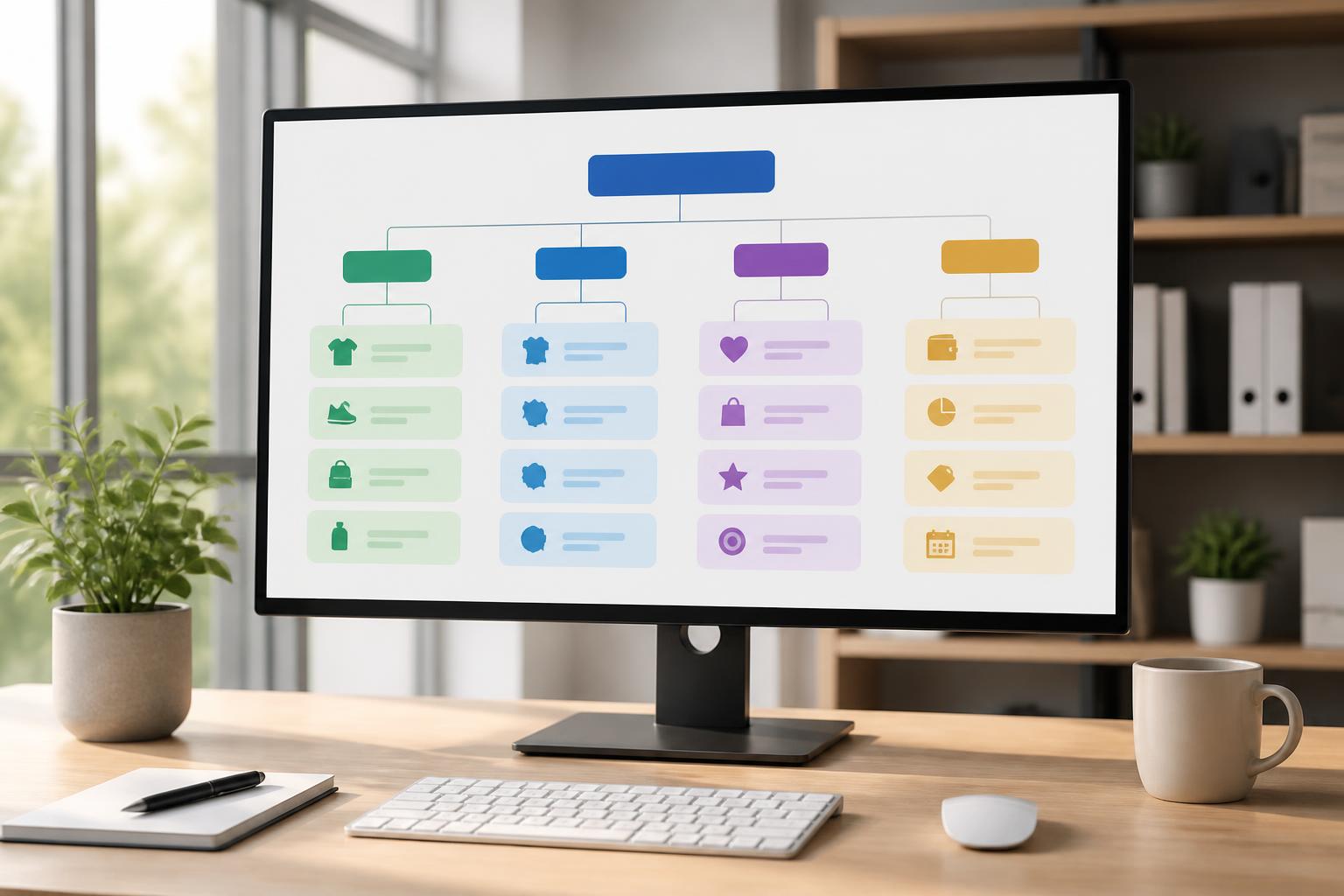



Building a Customer Journey for High-Value Products on Facebook Ads


Not every product can be sold effectively immediately after a user sees an ad once. An in-depth course, an enterprise service package, high-value equipment, custom-made furniture, or a solution that requires consultation often requires customers to go through several steps before making a decision. They may learn about the brand today, look for more information the following week, ask questions via messaging, and only then request a quote or schedule an appointment.
In such cases, evaluating Facebook ads solely by the number of clicks or orders generated over a short period can easily lead to hasty conclusions. A campaign may be doing a good job of building awareness and attracting interested people but may not yet be in a position to generate immediate revenue. Conversely, an ad that brings in many form submissions may not necessarily produce suitable customers if its content does not help qualify their needs.
A more appropriate approach is to deliberately design a customer journey. Each touchpoint should answer a specific customer question while preparing them for the next step. Facebook Ads then becomes more than a tool for directing users to a landing page; it becomes part of a process for explaining value, building trust, and connecting with consultation activities.
Why Do High-Value Products Require Multiple Touchpoints?
As the cost, level of risk, or impact of a decision increases, customers generally want to reduce uncertainty before making a purchase. They may care about the provider’s capabilities, service scope, terms of use, after-sales support, and suitability for their particular circumstances. A short ad can hardly answer all of these questions fully.
The consideration period is also affected by the complexity of the product. Someone buying a simple item may decide within a few minutes, while someone seeking a solution for a business may need to consult multiple people, compare options, and balance the budget. Therefore, a Facebook journey needs to account for the fact that customers may not be ready to take action immediately upon their first contact.
This does not mean that every campaign must be long or use a large number of ad sets. The focus is on distinguishing between different states of interest. People who have never heard of the brand need foundational information. Those who have viewed the content need more evidence and specific explanations. People who have asked questions or visited a service page may need a clearer consultation invitation. When messages are arranged according to customer needs, the budget has a better chance of being used more efficiently.
Outline the Journey Before Creating the Campaign
Before opening Ads Manager, a business should describe the path a potential customer may take. The outline does not need to be complicated, but it must show what users know, what they do not yet know, and what they need to decide at each stage.
The initial stage usually revolves around the problem. Ad content may describe a familiar difficulty, a sign that the current process is not effective, or a goal the customer wants to achieve. The purpose of this stage is not to present the entire product, but to help the right people recognize that the problem is relevant to them.
The next stage focuses on the approach and value. Users need to understand how the product solves the problem, what steps implementation involves, and what results can reasonably be expected. Here, the content should be more specific than awareness-stage advertising. An analysis, explanatory video, service page, or guide can help clarify the options available to customers.
The final stage aims for a higher-commitment action, such as submitting a consultation request, scheduling a discussion, receiving a proposal, or beginning the registration process. The call to action should match the customer’s level of readiness. If customers are only researching, asking them to buy immediately may feel forced. If they have carefully reviewed the information and proactively asked questions, a specific invitation to discuss the matter will feel more natural.
What Should Ad Content Clarify?
Place the Problem in the Customer’s Context
Effective content does not merely say that a product is good; it helps readers recognize how the product relates to their situation. Instead of using vague general claims, a business can describe symptoms, obstacles, or waste that commonly appear in operations. This approach creates a practical point of connection and helps customers assess the level of fit for themselves.
However, describing the problem should not turn into exaggerating fear. Advertising is more valuable when it presents difficulties in a balanced way, avoids promising absolute results, and does not make readers feel judged. Clarity generally builds trust better than overly forceful claims.
Explain the Mechanism That Creates Value
With high-value products, customers often want to know what happens after they make contact. A business should explain the process with sufficient specificity: the needs-discovery step, how solutions are proposed, the scope of work, the coordination timeline, and the support method. When the process is presented transparently, customers can visualize the experience instead of having to make a decision with insufficient information.
If a product has multiple packages or options, the content should also point out the differences between them. It is not necessary to include the entire price list in the ad, but customers should not be left with a misunderstanding of the scope of supply. A trustworthy consultation invitation should make clear that the conversation is intended to clarify needs, not force users to commit immediately.
Use Evidence Responsibly
Evidence can come from processes, images of work, implementation samples, frequently asked questions, or feedback that has been authorized for use. These details help customers assess a business’s actual capabilities. If a specific case is presented, the content should preserve its original context and should not generalize it into a guarantee for all customers.
In fields with confidentiality requirements, a business can conceal identifying information while still clearly describing the problem, the approach taken, and the limitations of the result. Honesty about the conditions of applicability is no less important than highlighting advantages. When users understand who the product is and is not suitable for, the quality of post-ad conversations generally improves.
Design the Landing Page and Contact Points
The ad and landing page need to speak the same language. If the ad addresses a specific problem but the landing page displays only general introductory information, users will have to connect the pieces themselves and may leave. The headline, images, benefits, process, and call to action on the page should continue the exact topic introduced in the ad.
A landing page for a high-value product does not need to contain a large amount of disconnected content. What matters is organizing the information around the reader’s questions. They need to know who the product is for, what problem it solves, how the process works, what they need to prepare, and what the next contact step is. Frequently asked questions should address concerns that could prevent a decision, such as implementation time, support scope, or the conditions for changing the proposed approach.
Forms also need to be considered carefully. A form that is too long can reduce the number of submissions, while one that is too short may leave the consulting team with little information to prepare. A business should request only the data genuinely needed for the initial step and clearly explain what customers will receive after submitting their information. If messaging or phone calls are the primary channels, the contact invitation should also state the expected response time based on the business’s actual capacity.
Connect Advertising with Consultation Activities
The customer journey does not end when a customer submits a form. For products that require consultation, the quality of the subsequent handling can directly affect the effectiveness of the advertising budget. The receiving team should know which message brought the customer in, what type of information they viewed, and what needs they are interested in. This allows the conversation to begin from the appropriate context instead of repeating everything the user has already read.
A business should also standardize how contacts are classified. Someone who simply wants more information is different from someone who already has a budget, an implementation timeline, and a specific need. Recording these statuses helps the team prioritize its work while also providing better data for evaluating the campaign. Not every form submission should be treated as an equivalent result.
If customers are not ready, subsequent follow-up and nurturing should have reasonable limits. Reminder content should provide useful information rather than repeatedly repeating a sales invitation. A business can provide guidance, answer questions, or suggest the next preparation step. The frequency and form of contact must respect the recipient’s choices.
Evaluate Performance at Each Stage of the Journey
For products with a long consideration cycle, a single metric cannot fully describe advertising performance. In the initial stage, a business can observe the extent to which it is reaching the right audience, the ability to attract users to the content, and the quality of engagement. In the middle stage, it should pay attention to whether users continue researching, view service information, or take actions that demonstrate clearer interest.
In the final stage, metrics related to contacts, appointments, sales opportunities, and revenue become more decisive. However, these data points need to be compared with the actual sales process. If several steps must take place between a form submission and an outcome, reaching a conclusion too early may cause a business to stop a campaign that is generating suitable opportunities.
What matters is establishing a consistent method for recording data across advertising, the website, and the consultation team. When each department uses a different definition for concepts such as qualified contact, sales opportunity, or new customer, reports will struggle to reflect the actual situation. A simple but consistent process is often more useful than a system with numerous metrics that no one uses to make decisions.
Common Mistakes
The first mistake is trying to include all the information in a single ad. Content that is too dense can dilute the main message. It is better to divide the information into touchpoints with distinct purposes, with each point leading users to the next stage of research.
The second mistake is using one call to action for all customers. Someone who has just learned about the brand and someone who has already requested a quote are not equally ready to act. The action invitation should reflect this difference, ranging from reading more information and viewing the process to having a direct conversation.
The third mistake is overpromising in order to increase the number of responses. This approach may generate initial attention but erode trust when the actual experience does not match the ad. For high-value products, credibility and long-term fit matter more than a short-term volume of low-quality contacts.
Finally, businesses often overlook the experience after customers submit their information. If the response is slow, the answer is irrelevant, or the intake process is unclear, the portion of the budget spent on advertising will not turn into a real opportunity. Optimizing Facebook Ads therefore needs to be viewed across the entire journey, not just within the ad interface.
Conclusion
Facebook advertising for high-value products should be built as a multi-step persuasive journey rather than an attempt to find an immediate order. A business needs to identify the customer’s state, provide the right information at the right time, design suitable contact points, and closely connect them with consultation activities. When each stage has a clear objective, the data collected becomes more meaningful, and customers have a stronger basis for making a decision.
Effectiveness does not come from making the message more forceful at any cost, but from being able to answer the user’s question correctly at each moment. A clear, honest, and consistent journey can help an advertising budget generate high-quality conversations, even when a purchase decision does not happen immediately after the first click.