



The Most Searched Keywords on the Internet as the Middle East Conflict Escalates: Insights from Global Search Trends

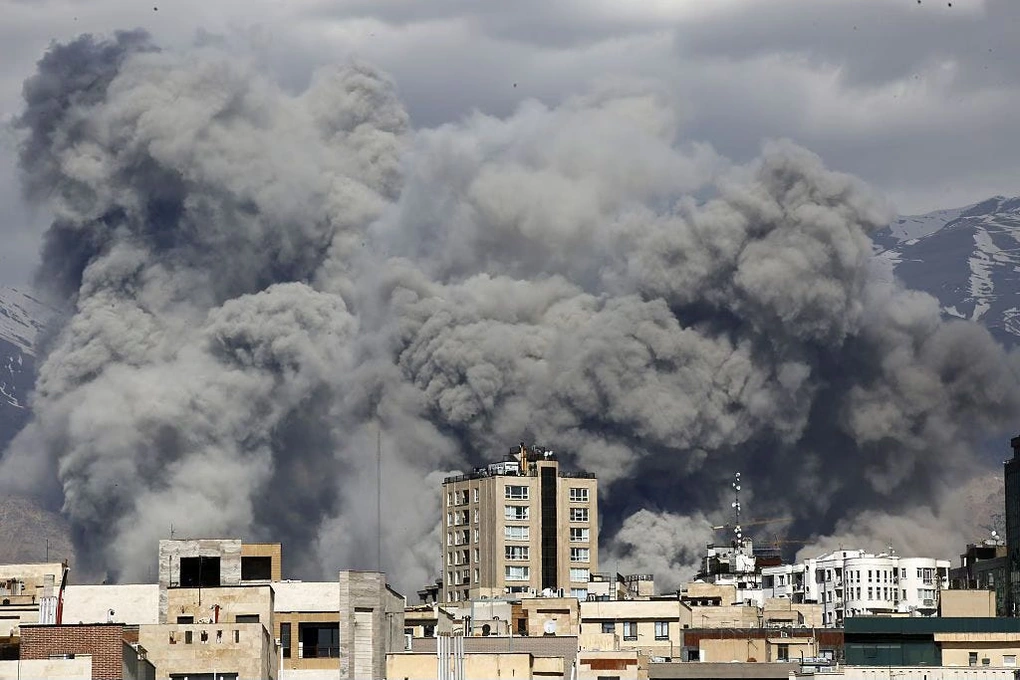
The Internet Reflects Global Attention as Conflict Erupts
In the digital age, every major global event leaves a clear footprint on search engines. As tensions in the Middle East escalated in recent weeks, millions of people around the world turned to the internet to search for information about the unfolding conflict. Within a short period of time, search engines such as Google and Bing recorded a surge in keywords related to war, geopolitics, and global energy markets.
Search trends reveal not only public curiosity about military developments but also widespread concern about the broader consequences of the conflict. Internet users are not simply looking for news updates about what is happening in the Middle East. Many are also searching for answers about whether the conflict could expand, how it might affect oil prices, and what implications it could have for global security.
In this context, search data has become an important source of insight for analysts seeking to understand how societies react to major geopolitical events. The most searched keywords during this period paint a detailed picture of the concerns shared by people across the world.
War-Related Keywords in the Middle East Surge
Immediately after the first military strikes were reported, searches related to the Middle East conflict surged dramatically. Phrases such as “Middle East war,” “Iran Israel conflict,” “Israel Iran war,” and “Middle East conflict today” quickly appeared among the most popular global search queries.
This surge demonstrates the intense public interest in developments within a region long considered one of the world’s most sensitive geopolitical hotspots. Internet users have been actively searching for live news updates, maps of military operations, and analysis of the evolving battlefield situation.
Part of the reason behind this surge is the strategic importance of the Middle East in global security dynamics. Any conflict in this region has the potential to involve multiple nations and affect major international alliances.
For that reason, when hostilities began to escalate, search queries about the conflict rapidly became the focus of online attention.
“World War 3” Becomes a Trending Global Keyword
One of the most striking developments in search data has been the rapid rise of keywords related to a potential world war.
Search queries such as “World War 3,” “Is World War 3 starting,” “global war risk,” and “will the Middle East war spread” have appeared frequently in global search trends.
These searches reflect growing public anxiety that a regional conflict could escalate into a wider global confrontation. With several major powers maintaining strategic interests in the Middle East, analysts have long warned that instability in the region could potentially trigger broader geopolitical tensions.
Images and videos of missile strikes, drone attacks, and large explosions circulating rapidly on social media have amplified these concerns. For many internet users, such footage reinforces the perception that the region may be entering a new phase of heightened instability.
As information spreads almost instantly online, search engines have become the primary place where people seek answers to questions about the future trajectory of the conflict.
Oil Prices and the Global Economy Become Major Search Topics
Alongside war-related queries, another category of keywords has also seen dramatic growth: economic and energy-related searches.
Terms such as “oil price surge,” “oil supply crisis,” “energy crisis,” and “Strait of Hormuz crisis” have appeared frequently among trending search queries.
This surge reflects the crucial role of the Middle East in the global energy market. The region accounts for a significant share of the world’s oil production and hosts some of the most critical energy transport routes on the planet.
Whenever conflict emerges in the Middle East, concerns about potential disruptions to oil supply immediately arise. Even the possibility of instability near key shipping routes can trigger strong reactions in global energy markets.
As a result, not only investors but also ordinary citizens have been searching for updates about oil prices and the potential economic consequences of the conflict.
Searches for Political Leaders and Military Forces Increase
During international crises, public attention often turns toward the leaders and forces involved in the conflict.
Search data indicates that the names of political leaders and military figures connected to the conflict frequently appear among trending queries. Many users are searching for statements, policy decisions, and strategic responses from governments involved in the escalating tensions.
At the same time, search queries related to armed groups and military organizations operating in the region have increased significantly. People want to better understand the roles of different actors within the conflict and how they relate to each other.
Many internet users are also searching for historical background information about Middle Eastern conflicts. Questions about the origins of tensions, key historical milestones, and past peace agreements have become increasingly common search topics.
These searches suggest that people are not only interested in immediate developments but also in understanding the deeper historical context behind the crisis.
The Internet as a Map of Global Emotions
Media analysts often describe internet search trends as a kind of emotional map of society.
When a major event occurs, users typically search for three main types of information. First, they look for immediate updates about what is happening. Second, they search for explanations that help them understand the context and causes of the event. Finally, many users seek predictions about the possible consequences in the future.
All three patterns can be observed clearly in search data related to the Middle East conflict.
Initial searches focused heavily on breaking news and battlefield developments. Shortly afterward, many users began looking for analytical articles and historical explanations. Later searches increasingly centered on economic implications and the possibility of broader geopolitical escalation.
This pattern highlights the role of the internet not only as an information source but also as a tool for societies attempting to interpret complex global events.
The Information War Parallel to the Military Conflict
In the digital era, every armed conflict is accompanied by an information war.
Governments, media organizations, and various groups attempt to shape narratives and influence public perception. This leads to an enormous volume of information circulating online, which can sometimes be difficult to verify.
As a result, many internet users have begun searching for ways to confirm the accuracy of war-related news. Keywords such as “fact check war news,” “war misinformation,” and “real situation Middle East” have appeared frequently in search trends.
The rise of these queries reflects an increasing awareness among users about the risks of misinformation during international crises.
In today’s connected world, information can spread as quickly as the events occurring on the battlefield.
Search Trends Shift as the Conflict Evolves
Another important characteristic of search behavior is how quickly trends evolve as the conflict develops.
When hostilities first erupt, search queries usually focus on attacks, military operations, and immediate news coverage. As the conflict continues, attention gradually shifts toward humanitarian consequences, diplomatic negotiations, and long-term economic effects.
This transition has been clearly visible in the recent Middle East conflict.
Search data shows that public interest initially centered on the outbreak of fighting. Over time, more searches began to focus on global energy markets, international diplomacy, and potential ceasefire efforts.
These changing search patterns illustrate how public attention evolves throughout the lifecycle of a major geopolitical crisis.
War-Related Keywords Dominate Online Attention
One notable phenomenon during the recent escalation is the rapid transformation of online search rankings.
Before the conflict intensified, many trending topics were related to technology, entertainment, and economic developments. However, once the Middle East conflict escalated, war-related keywords quickly dominated global search trends.
This shift demonstrates how strongly geopolitical events can capture public attention worldwide. During periods of crisis, online discussions often concentrate overwhelmingly on issues of security and international stability.
For a time, the conflict in the Middle East has overshadowed many other global topics across the internet.
Search Data as a Tool for Geopolitical Analysis
Today, search engine data is not only useful for technology companies but also for researchers studying global trends.
Analysts can track changes in keyword popularity to gain insights into public sentiment and societal concerns. In some cases, search data may even reveal shifts in public perception more quickly than traditional opinion polls.
For example, a sudden spike in searches related to oil prices can signal rising concern about energy markets. Similarly, an increase in searches about world war scenarios often reflects widespread anxiety about international security.
Because of this, search engines have become an increasingly valuable source of data for understanding global political and economic trends.
The Role of the Internet in Times of Global Crisis
The latest Middle East conflict once again demonstrates the powerful role the internet plays in shaping how people access information.
When war breaks out, millions of individuals immediately turn to search engines in an attempt to understand what is happening. The keywords typed into search bars represent more than simple curiosity. They reveal the fears, concerns, and questions shared by people around the world.
From queries about military developments to concerns about economic stability and global security, search data offers a vivid snapshot of how humanity responds to moments of crisis.
In a world that is more connected than ever before, search engines serve not only as gateways to information but also as mirrors reflecting the collective mindset of society during times of uncertainty and change.


