

Building a Facebook Remarketing Funnel for a Long Purchase Journey

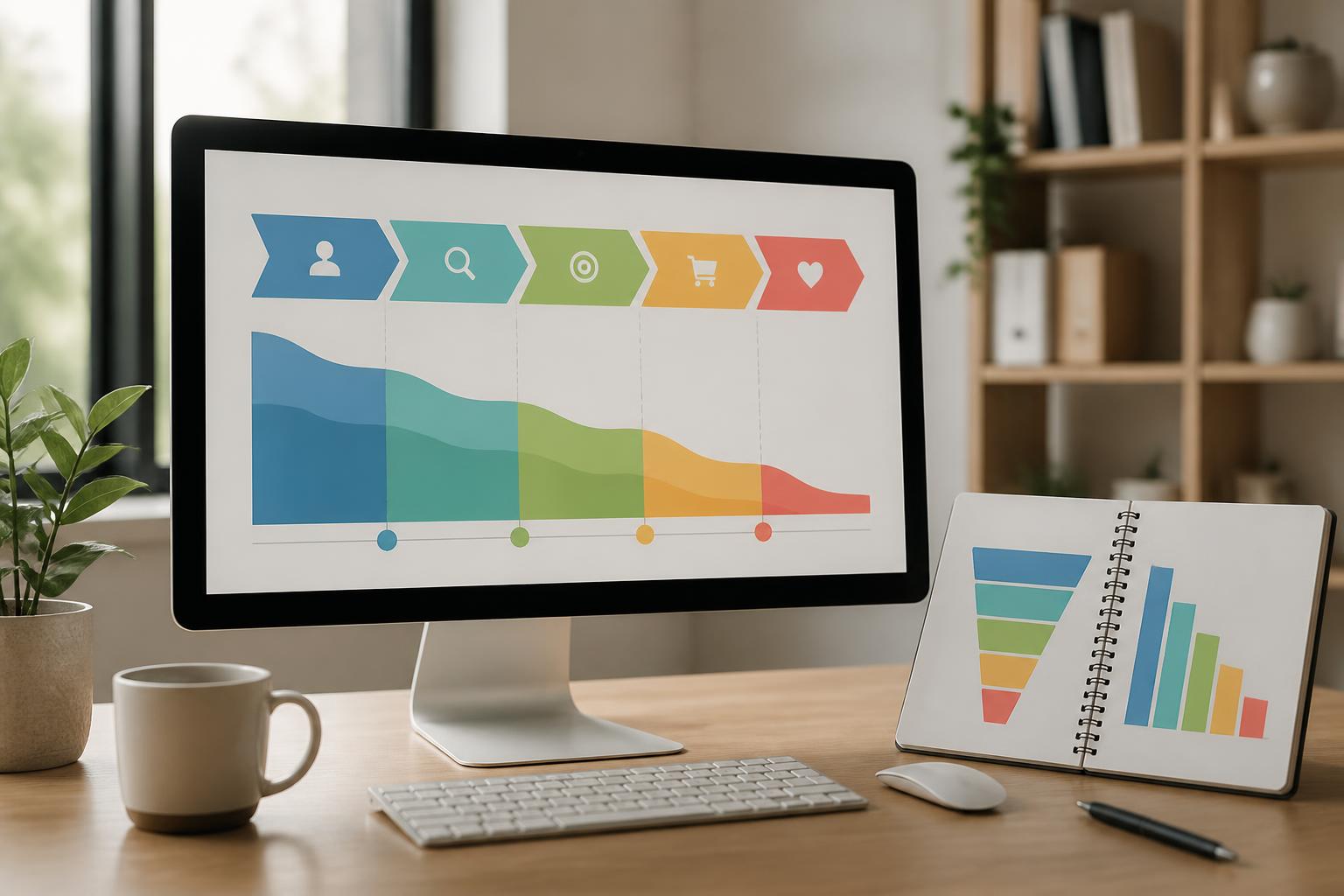
Not every customer who sees a Facebook ad is ready to buy immediately. For high-value products, services that require consultation, in-depth courses, business solutions, or items that require careful comparison, the purchase decision often takes place through multiple touchpoints. Users may watch a video, read an introduction page, leave to look for more information, and then return a few days or weeks later. If a business runs only one general ad for everyone who has ever interacted with it, the budget can easily be depleted without creating the right motivation at each stage.
That is why Facebook remarketing should be viewed as a nurturing funnel rather than simply a group of ads that follow users around. The goal is not to make customers see the brand as often as possible, but to recognize what action they have taken, what information they are still missing, and what the next message should be. When the funnel is structured properly, advertising can support the decision-making process without making people feel excessively monitored or pressured.
Why does a long purchase journey need its own funnel?
In a short journey, customers may see an ad, visit a product page, and complete an order in the same session. But in a long journey, each interaction usually resolves only part of their concerns. A first-time user may only be identifying a need. After that, they may want to know whether the product fits their situation, what the actual cost is, how implementation works, and whether the business is trustworthy.
If a purchase call to action is immediately shown to someone who has only watched a few seconds of a video, the message may arrive too early. Conversely, if someone who has carefully read the pricing table or filled out a consultation form still receives only basic introductory content, the advertising will not help them move any further. A remarketing funnel addresses this gap by dividing audiences according to signals of interest and then arranging content in a logical sequence.
This approach also helps businesses avoid misjudging advertising performance. A campaign may not generate many orders immediately but may still be providing information, building trust, and bringing users closer to conversion. When the stages are tracked separately, advertisers have a better basis for determining which group needs improved content, which group needs an adjusted offer, and which group should be excluded from the campaign.
Segmenting audiences by level of interest
The first step is to identify signals that can reflect the level of interest. It is not advisable to rely only on whether users have seen an ad. Someone who briefly scrolls past an image is completely different from someone who watches most of a video, visits multiple pages on a website, or starts filling out a form but does not submit it.
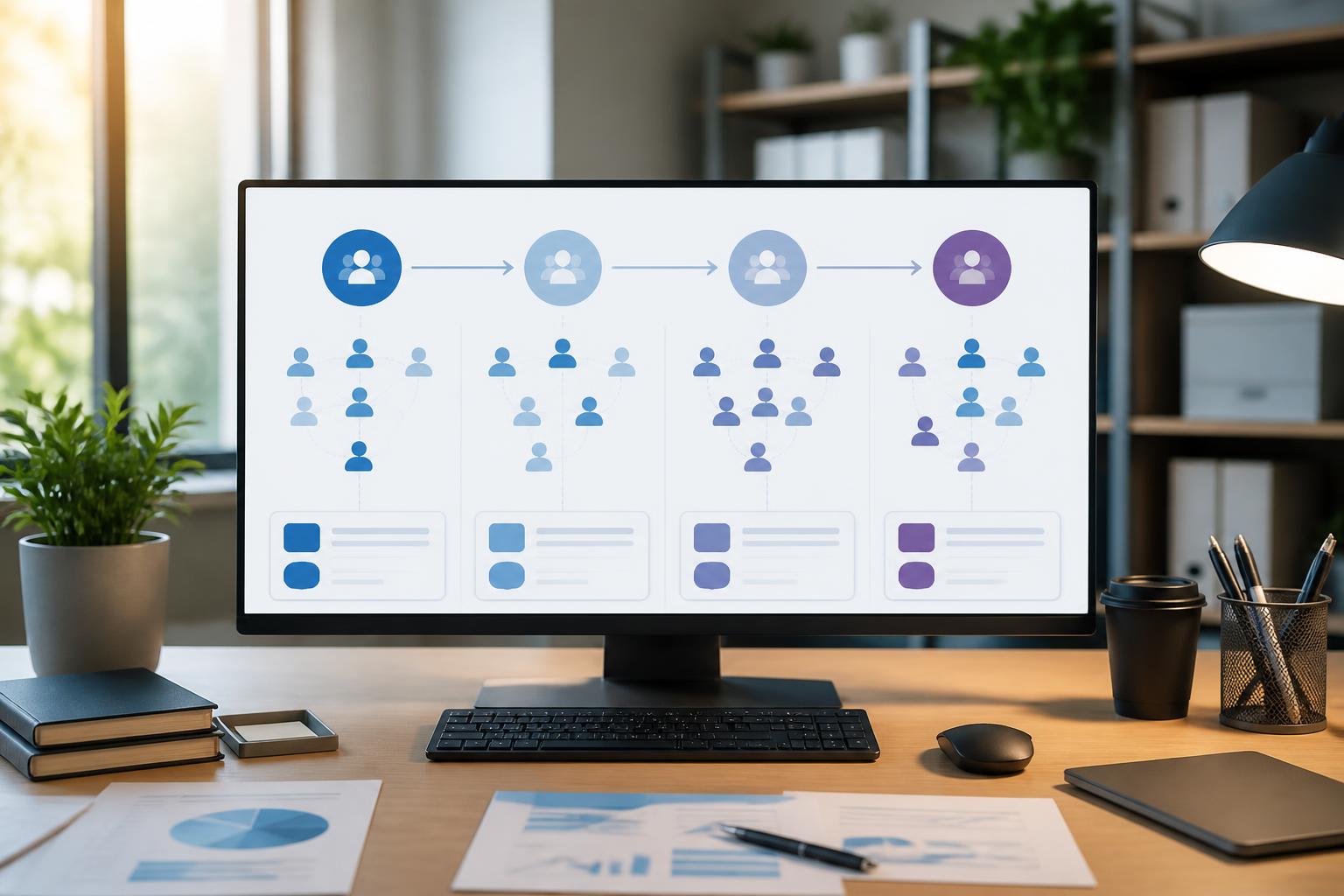
At the awareness level, a business can focus on people who have watched videos, interacted with content on the page, or visited the website but have not shown a specific action. This group needs content that helps them understand the problem and recognize the solution. Suitable ads may include explanatory videos, instructional articles, images describing the process, or content answering common questions. The main objective at this stage is to create another meaningful interaction, not necessarily to ask for an immediate purchase.
At the consideration level, the audience has shown clearer signals, such as viewing a product page, checking the pricing table, reading in-depth content, using a tool on the website, or returning multiple times. They need more specific information and evidence. Content can focus on how the product works, selection criteria, use cases, the scope of post-purchase support, or verifiable points of difference. An invitation to register for a consultation or receive detailed materials is often more appropriate than a direct purchase call to action.
At the decision level, users have taken actions close to conversion, such as submitting a form, adding a product to the cart, starting checkout, sending a message to ask about the price, or booking an appointment without completing the process. For this group, the message should be concise and practical. The business can remind them of the main benefits, explain the next step, provide a convenient contact method, or clarify obstacles that have prevented them from completing the process. The important point is not to use the same message for someone who is newly aware of the brand and someone who has proactively provided their information.
Designing a message sequence instead of individual ads
いA successful remarketing funnel usually has a progression logic. Content at a later stage should be based on what users have already been exposed to, rather than starting over from the beginning. For example, someone who has watched an introductory video can be reached with an article explaining how to choose. Someone who has read that article can receive an ad leading to a comparison page or content answering frequently asked questions. Someone who has viewed the pricing table, meanwhile, needs a clearer consultation invitation.
The message sequence does not have to be long or complex. What matters is that each step has its own role. The first step helps customers understand the problem. The next step reduces uncertainty. The following step provides evidence or guidance on taking action. When content is arranged like a conversation, advertising feels more natural than repeatedly using the same sales message.
Businesses should also prepare content for concerns that commonly cause customers to postpone their decision. For high-value products, these may include questions about the total cost, implementation time, integration capabilities, or level of support. For professional services, customers may be concerned about execution capability, the scope of commitments, and how problems will be handled if they arise. Content that directly answers these questions is often more valuable than a generic promotional message.
Controlling the retention period for each remarketing group
Not every interaction has value over the same period of time. Someone who has just visited the pricing page likely has a different intent from someone who watched a video several months ago. Therefore, remarketing groups should be divided according to time periods appropriate to the purchase cycle. Shorter periods can be used for high-intent groups that need actionable information. Longer periods are more suitable for reminder content, solution updates, or rebuilding interest.
Extending the retention period without segmentation can dilute the audience. Users whose needs have changed may continue seeing old ads, while the budget is no longer focused on new signals. Businesses should monitor response rates by time period to determine whether interest declines quickly or slowly. If a product has a consideration cycle of a few days, a group with an excessively long retention period may no longer be appropriate. If the purchase decision usually takes several weeks, the content strategy needs to be diverse enough to remain relevant without causing fatigue.
Each group should also have clear exclusion conditions. People who have submitted a form should be removed from ads calling for first-time form submissions and moved to content intended for consultation or confirmation of the next step. People who have purchased should be excluded from campaigns aimed at acquiring new customers, while they may receive usage instructions, post-purchase care content, or complementary products if appropriate. These rules both protect the budget and create a more consistent experience.
Including landing-page quality in the remarketing strategy
Remarketing cannot fully compensate for a landing page that lacks information or is difficult to use. When customers return from an ad, they generally expect to see content directly related to what initially caught their interest. If an ad discusses a specific solution but the landing page leads only to the homepage, users have to search for the information again and may leave before taking action.
Landing pages for remarketing groups should continue the context appropriately. People who have viewed educational content can be directed to a page with more detailed explanations. People who have viewed pricing need a page clarifying the service packages, applicable conditions, and the steps for receiving a quote. People who abandoned a form should return to the same form or a simpler page rather than having to start the entire journey from the beginning.
The content on the page should also reduce points of hesitation. Contact information, the request-handling process, expected response times, and frequently asked questions should be easy to find. If a business asks customers to provide a great deal of information, it should consider whether every data field is truly necessary at the initial step. Every small barrier can reduce the effectiveness of the entire advertising sequence.
Measuring performance throughout the process
Evaluating a remarketing funnel only by the final number of orders can cause a business to overlook problems in the middle of the journey. It is necessary to track transitional signals such as content view rates, landing-page visits, engagement time, the number of form starts, completion rates, and the number of relevant conversations. These metrics do not replace revenue, but they help identify which layer is performing well and which is creating a bottleneck.
For example, if many people watch a video but very few visit the next page, the problem may lie in the call to action or in a lack of relevance between the video and the subsequent ad. If traffic to the pricing page is high but consultation requests are low, the business should review the clarity of the information, how costs are presented, or the suitability of the audience. If there are many forms but few customers respond when contacted, the quality of the information collected and the post-conversion follow-up process should be examined.
To avoid jumping to conclusions, groups should be compared over the same period and using the same conversion definition. A change in content may increase clicks without improving the final action. Conversely, an ad with a lower click-through rate may sometimes generate higher-quality consultations. Combining advertising data with information from the sales system will help the business understand the entire journey instead of looking at only one surface-level metric.
Common mistakes when running remarketing
The most common mistake is grouping everyone who has ever interacted with the business into a single audience. This approach is simple but makes the message inaccurate. People who have just viewed content and people who are close to completing a purchase have very different information needs.
The second mistake is relying on a single offer. Promotions may accelerate some decisions, but they do not resolve a lack of trust or understanding. For products that require consideration, content demonstrating capability, explaining the process, and clarifying risks often plays a role just as important as the selling price.
The next mistake is ignoring exclusions. When people who have already purchased continue to see ads aimed at finding new customers, the brand creates an insensitive experience and wastes impressions. Similarly, people who have already submitted a consultation request but continue to receive ads urging them to fill out a form may feel that the business has not acknowledged their action.
Finally, businesses often change too many elements at once. If the audience, content, landing page, and optimization objective are all changed simultaneously, it is very difficult to know which factor produced the result. It is better to begin with a clear funnel structure, define the hypothesis to be tested, and then change each part in a controlled manner. Only after each cycle has generated sufficient data should the business expand or make deeper adjustments.
Building a funnel that matches real-world resources
Not every business needs dozens of ad groups and a large content library. A basic funnel can begin with three layers: people who have interacted but not visited deeply, people who have viewed product content, and people who have taken an action close to conversion. Each layer has its own objective, message, and exclusion condition. Once enough data has accumulated, the business can further separate groups with distinct behaviors.
The priority should be consistency between the ad, the landing page, and the follow-up process. A small funnel that is updated appropriately according to customer behavior is often more effective than a complex structure without sufficient content and staff to monitor it. Businesses should map the journey first, determine what customers need to know at each step, and only then decide which advertising formats to use.
Facebook remarketing for a long purchase journey is not a race to maximize the number of times an ad appears. It is a process of providing the right information at the right time, recognizing signals of interest, and helping customers take another deliberate step. When the funnel is built around actual behavior, content is properly segmented, and results are measured across the entire process, the advertising budget will better serve both short-term conversion goals and long-term customer relationships.