


Building a Google Ads Campaign Structure Around the Customer Journey


Many Google Ads accounts are built around a very short question: Which products is the business selling, and which keywords does it need to run? This is not a wrong way to start, but it often leads to a fragmented campaign structure. Ad groups are divided by product name, budgets are allocated based on intuition, and the messages displayed are identical even though searchers are in completely different situations. When performance declines, advertisers often try adjusting bids or adding keywords without reviewing the underlying account organization.
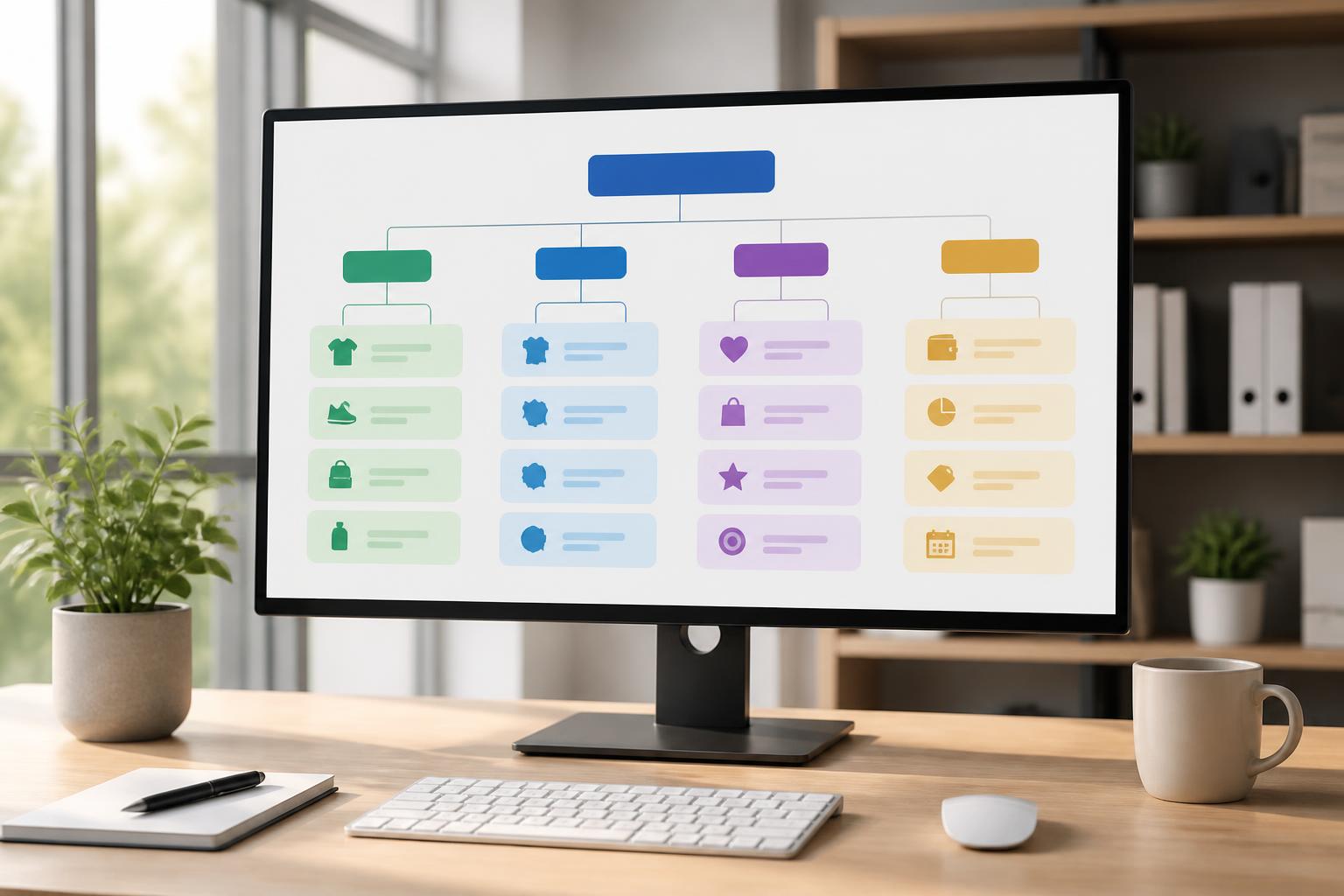
A good structure should reflect the customer journey. Someone who has just recognized a problem needs different information from someone who clearly understands the solution and is looking for a provider. A first-time visitor should also be approached differently from someone who has viewed a product but has not yet made contact. When campaigns are organized around these states, businesses can control budgets, adjust messaging, and interpret data more clearly. This is not about creating as many campaigns as possible, but about arranging advertising activities according to the logic of the customer’s decision-making process.
Why should Google Ads be viewed through the customer journey?
The buying journey rarely takes place in a single search. A person may begin by describing a problem, then research possible options, compare providers, and only finally search for a brand name or request a quote. If all of these queries are placed in one campaign with the same budget and a single ad template, the system will struggle to show differences in intent.
Classifying campaigns according to the journey helps businesses answer three important questions. First, what level of awareness is the user at? Second, do they need information, or are they ready to take action? Third, is the business objective of the campaign to create demand, attract high-intent customers, or support people who have interacted before? These three questions form the basis for choosing keywords, writing ads, designing landing pages, and allocating budgets.
Not every industry has the same journey. For high-value services, customers may need multiple rounds of research before submitting a consultation request. For common products, the decision may happen more quickly and focus on price, stock status, or delivery time. Therefore, the structure should originate from data and the actual sales process, rather than copying a template from another account.
Three basic campaign layers based on intent level
Awareness and discovery layer
At the early stage, users often search with phrases describing a problem, need, or broad topic. They may not yet know which brand is suitable, and they may not even have identified the product they need to buy. The goal of advertising at this layer is to help the business appear in the right context, provide sufficiently clear information, and create a transition to the consideration stage.
Because purchase intent is not yet high, this group of campaigns needs to be controlled carefully. Ad content should not make overly strong promises or direct users to a page focused solely on closing a sale. A guide, a page explaining the solution, or basic comparison content may be more suitable. Businesses should also monitor query quality and feedback from the sales team to identify which broad needs actually have potential.
Solution consideration layer
Users at the consideration layer understand the problem and have begun looking for specific options. They may search by service type, feature, segment, or usage need. This is often the area where marketing and sales overlap, because customers have clearer questions but still need more reasons to choose.
Advertising at this stage should focus on verifiable differentiators, service coverage, implementation processes, and what customers receive after making contact. The landing page needs to explain how the solution works, who it is suitable for, and what the next step is. If a business has multiple customer groups, ad groups or campaigns should be separated when the differences in needs are large enough to require distinct messaging.
High-conversion-intent layer
This is the group of users searching for a brand, provider, location, quote, or contact method. They may already know the business or may have completed most of their research. The campaign’s goal is to reduce friction in the decision, making it easy for customers to call, submit a form, book an appointment, or complete a transaction.
For this group, information about the product, service area, purchasing conditions, and contact methods needs to be presented consistently. Small details such as a slow-loading landing page, an overly long form, or a difficult-to-find phone number can all reduce the likelihood of conversion. Because intent is generally higher, businesses can prioritize budget for this group, but they should still compare it with the actual value of each customer type rather than looking only at the number of clicks.
How to turn the customer journey into an account structure
The first step is to map search needs. Gather queries and group them according to the problem users want to solve, the solutions they are considering, and the actions they may take. Data from consultants, calls, forms, frequently asked questions, and completed transactions can also be added. These sources help reveal how customers express their needs in reality, which sometimes differs from the way the business names its products.
Next, define the boundaries between campaigns. A campaign should have a relatively clear objective, budget, or optimization approach. If two groups have the same objective, message, and handling process, separating them into two campaigns may only make the account more complicated. Conversely, if customer groups have different values, service areas, or require distinct content strategies, separating the structure will provide better control.
At the ad group level, maintain relevance among the query, ad content, and landing page. Each group does not need to contain only one keyword, but the keywords grouped together should express similar intent and be answerable with a consistent message. Combining too many different needs in one group makes the ad copy generic, while dividing it into excessively small parts scatters the data and increases management time.
Budget allocation is not based only on search volume
High search volume does not mean a major business opportunity. A broad query group may generate many visits but bring in few suitable customers. Meanwhile, a group of queries with clear intent may be smaller in scale but contribute more directly to revenue. Therefore, budgets should be considered alongside opportunity quality, closing rate, and customer lifetime value.
Businesses can begin by securing budgets for high-intent groups whose handling processes are ready. The remaining budget can then be used to expand demand or nurture users at earlier stages. Once enough data has accumulated, adjustments should be based on stable trends rather than reactions to a few days with abnormal results.
The sales team’s capacity to handle leads must also be taken into account. If consultation requests exceed the ability to respond, increasing the budget may worsen the customer experience and cause actual business costs to rise. A good Google Ads structure must connect to the process that follows a customer request; it should not stop at generating clicks or forms.
Messages need to change at each touchpoint
At the awareness stage, ads should help users recognize that the business understands their problem. At the consideration stage, the content needs to clarify the solution and the reasons to choose it. At the high-intent stage, the message should guide users toward a specific action and remove their final concerns. This difference does not mean that every campaign must use a completely different tone, but rather that the level of information and the call to action should suit the viewer’s state.
The landing page should follow the same logic. Someone researching a concept may not want to receive a call immediately, while someone searching for a service name and location may only need a clear contact button. If every campaign leads to the same page, the business should check whether that page meets the different needs. When the differences are large enough, separate landing pages will make the content more focused and support the evaluation of each group’s performance.
Read data to adjust the structure, not just the bids
After launch, data needs to be examined at multiple levels. At the ad level, check whether actual queries match the intent that was identified. At the business level, examine whether the requests generated come from the right audience, receive timely responses, and progress into opportunities. If the business looks only at clicks or cost per conversion, it may continue investing in a group that generates many actions but little value.
When a group performs poorly, do not immediately conclude that the entire channel is ineffective. The problem may lie in incorrect intent classification, messaging that is not sufficiently relevant, an unsuitable landing page, or a slow post-conversion handling process. Reviewing the journey helps identify the actual point of failure. For example, traffic may be good but the number of qualified calls may be low, indicating that the promised content or the way customers are screened needs to be reconsidered.
The structure should also be reviewed periodically as products, markets, and search behavior change. A campaign that was once suitable may become too broad after the business adds more services, or too narrow when customers begin using new ways of expressing themselves. Reviewing does not mean making constant changes; it means keeping the account aligned with the current business operation.
Common mistakes when organizing campaigns
The first mistake is dividing campaigns according to internal departments instead of customer needs. This approach may be convenient for the business, but it does not necessarily produce messages that are easy for searchers to understand. The second mistake is creating too many small campaigns, causing budgets and data to become fragmented. Each new campaign needs a clear reason, such as a different objective, location, customer value, or optimization approach.
The next mistake is treating all users as a group with the same level of readiness. Someone researching a concept should not be evaluated by the same standards as someone requesting a quote. When objectives and expectations are set identically, businesses can easily turn off demand-generation campaigns too early or spend too much on queries that have not demonstrated their value.
Finally, many accounts lack naming conventions and documentation explaining the structure. When the person responsible changes, understanding the objective of each campaign becomes difficult, leading to inconsistent adjustments. A clear naming system, with notes on the audience, objective, and budget allocation conditions, will make long-term management more stable.
Conclusion
Building Google Ads around the customer journey is a way to transform an advertising account from a collection of keyword groups into a system that supports purchase decisions. An effective structure needs to distinguish intent levels, connect ads with landing pages, allocate budgets according to opportunity value, and be validated by business data. Businesses do not need to create a complex structure from the beginning. What matters more is starting by understanding how customers search, then expanding the account when there is sufficient evidence of differences among groups of needs.