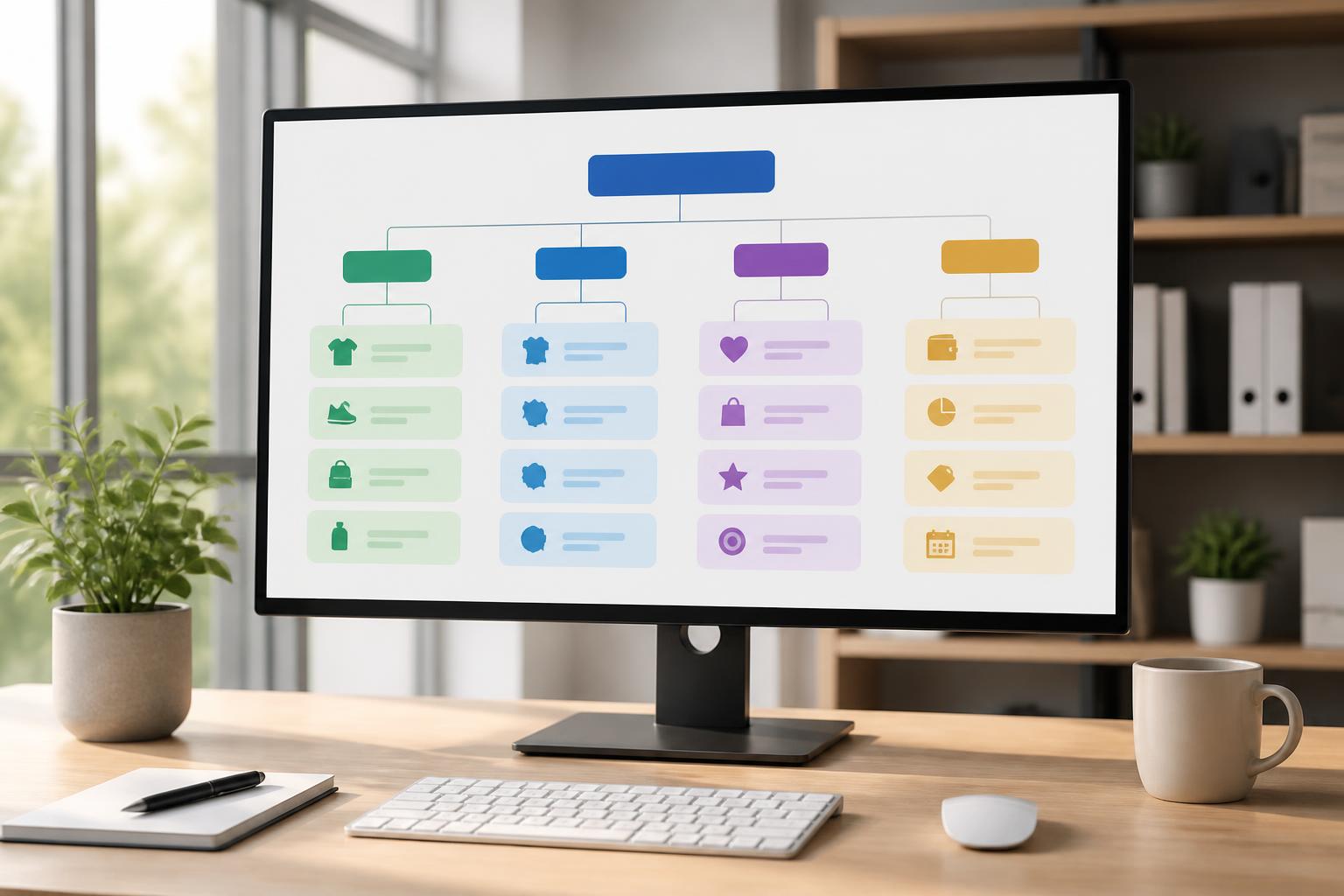



Segmenting Facebook Ad Audiences to Avoid Wasting Budget


In many Facebook advertising campaigns, the problem is not a lack of reach but the fact that too many different customer groups are being lumped into the same audience. People who have never heard of the brand may see the same message as those who have viewed the product several times. Customers who have just completed an order may continue receiving ads introducing products they have already purchased. When groups with different levels of interest are handled in the same way, the budget can easily be allocated inefficiently, and campaign performance becomes difficult to explain.
Audience segmentation is a way of organizing users according to their behavior, level of awareness, and position in the purchasing journey. This approach is not about mechanically dividing an audience into smaller pieces, but about building groups with relatively consistent needs and statuses so that the right message can be delivered at the right time. With a clear structure, advertisers can control reach frequency, limit overlap, and determine which stage should receive budget priority.
Why isn’t a large audience necessarily a good audience?
A large audience often creates the impression that a campaign has plenty of room to grow. However, size does not fully reflect quality. Within the same audience, there may be people who only glanced at the content, people who watched part of a video, people who visited a product page, people who have previously sent a message, and people who have already made a purchase. Each group is at a different point, so they should not receive the same offer.
If a direct sales message is used for a completely new audience, the ad may lack context and struggle to build trust. Conversely, if the campaign only continues introducing the brand to people who have viewed the product multiple times, it may miss the opportunity to address barriers to purchase. Segmentation shifts the question from “should targeting be as broad or as narrow as possible?” to “what information does this group need in order to take the next step?”
A four-tier model for Facebook advertising campaigns
There is no single formula that suits every business. Nevertheless, a four-tier model is often clear enough to serve as a starting point for designing a campaign structure. The tiers should be viewed as a framework for thinking, then adjusted according to the purchase cycle, product value, and actual data.
Awareness tier
This group consists of people who have shown no significant signs of interaction with the brand during the selected period. They may be reached based on characteristics that match the target customer, product-use contexts, or interest signals that the platform allows advertisers to set up. The main goal at this tier is to attract attention and help viewers understand the problem the brand can solve.
Content for the awareness tier should focus on situations, needs, and benefits that are easy to visualize. A first-introduction ad does not necessarily need to include all information about pricing, the purchasing process, or every feature. More important is to create a reasonable reason for viewers to stop, remember the brand, and take a light action such as viewing more content or visiting a landing page.
Consideration tier
The consideration tier includes people who have already interacted to some extent, such as by viewing content, visiting the website, or showing interest in the product. They know about the brand but still do not have enough basis to make a decision. The barrier may be that they do not understand how the product works, have not seen its differentiating points, do not trust the service process, or have not found an option suited to their needs.
At this tier, ads should provide more specific information. Businesses can explain how to use the product, suitable use cases, the consultation process, relevant policies, or questions that commonly arise before purchase. The message should help viewers evaluate the product rather than merely repeat a general introduction. When the content answers what they are actually considering, a previous view has the opportunity to become an intentional visit.
Conversion tier
This group has taken an action close to making a purchase, such as viewing a product page, starting to enter information, sending a message, or returning multiple times. Although they have shown clearer signals, this group is not automatically ready to convert. They may be comparing options, waiting for further discussion, or have been interrupted while taking action.
Content at the conversion tier should be concise and practical. Instead of continuing to speak broadly about the brand, the ad should clarify the next step, how to receive a consultation, how to place an order, or what information can help complete the decision. If the business has multiple product lines, it can use content suited to the type of product the viewer has shown interest in rather than directing them to an overly general message.
Post-conversion tier
Customers who have made a purchase should not be treated as a group that can be ignored. Depending on the business model, they may need usage instructions, care information, complementary products, or an invitation to return at an appropriate time. The goal at this tier is not always to make an immediate sale, but also to maintain the experience and create a foundation for the next relationship.
Separating existing customers from certain initial sales campaigns also helps limit irrelevant experiences. If the product has a long usage cycle, the timing and content of outreach should reflect that reality. Businesses should not assume that all existing customers are ready to receive the same offer immediately after completing an order.
Designing exclusion audiences to reduce overlap
Segmentation only truly works when it is accompanied by exclusion rules. A group in the awareness tier should be excluded from audiences that have shown a higher level of interest if the campaign is serving a different objective. Similarly, customers who have already purchased can be excluded from campaigns seeking new buyers. These rules are not intended to prevent someone from seeing every ad, but to determine which campaign should be responsible for each stage.
Businesses should create a simple diagram before setting up ads. For each campaign, clearly record the targeted group, the group to exclude, the objective, the message, and the desired action. If a person appears in multiple groups at the same time, a priority order needs to be established. For example, someone who has just visited a product page may be prioritized into the consideration or conversion group instead of continuing to receive awareness content.
The time period for each signal also needs to be standardized. A content view from a long time ago is not necessarily as valuable as a recent visit. The longer the period, the larger the audience, but relevance may decline. A shorter period usually produces signals that are closer to the present, but it can make the group smaller and delivery less stable. The choice should be based on the product’s decision-making cycle rather than applying the same period to every industry.
Aligning messages with each tier
A good audience structure can still perform poorly if the content between tiers is not differentiated. At the awareness tier, the message should help viewers recognize a problem or opportunity. At the consideration tier, the content needs to answer questions that may prevent them from moving forward. At the conversion tier, the call to action should be clear and unnecessary steps should be reduced. After conversion, the content should focus on the experience, support, or the next need.
The difference does not necessarily have to be entirely new creative for every group. One idea can be developed into multiple versions by changing the angle, level of information, and final action. What should be avoided is delivering the same advertising copy to everyone and expecting the system to resolve the mismatch between the message and the audience on its own.
The landing page also needs to be consistent with the audience tier. People who are new to the brand may need a page explaining the context and benefits. People who have viewed the product several times may need to be taken directly to detailed information, frequently asked questions, or a contact form. If the ad addresses a specific need but the landing page directs users to overly broad content, the experience becomes disjointed, making it more difficult to assess the causes of poor performance.
How should a segmentation structure be evaluated?
You should not rely on just one metric to conclude which tier is performing well. First, check whether each group is generating actions appropriate to its objective. An awareness campaign may not generate many orders immediately, but it should still be evaluated based on the quality of engagement and its ability to move users to the next stage. Similarly, a conversion group may be small, but it should be assessed based on the final action and the corresponding cost.
Observe indicators such as impression frequency, the degree of overlap between groups, changes in cost over time, and the rate at which users continue to the next step. When a tier shows signs of being overused, the cause may be an audience that is too small, an unsuitable audience-retention period, repetitive messaging, or insufficient exclusion rules. Adjustments should be made step by step to avoid changing too many factors at once.
An internal tracking table could include the following columns: tier name, inclusion conditions, exclusion conditions, objective, content currently running, period of application, and notes after each review. This table does not replace the platform’s reports, but it helps the team see the operating logic of the entire system. When fluctuations occur, the person in charge can more easily trace what changes were made and what decisions were based on.
Common mistakes when segmenting audiences
The first mistake is dividing audiences into too many groups from the outset. When each group is small and has its own content, the budget is dispersed, the observation period becomes longer, and comparisons become less reliable. It is better to start with a few tiers that have clear meaning, then create additional divisions only when the data shows that the groups truly have different behaviors or needs.
The second mistake is naming audiences in confusing ways. Names such as “new audience 1” or “remarketing group 2” do not indicate the group’s conditions or time period. Audience names should show the behavioral source, time period, and intended use so that other team members can take over without having to guess.
The third mistake is treating segmentation as a fixed setup. User behavior, products, content, and business objectives can all change. An audience that was once suitable may become too broad or too narrow over time. Therefore, the structure needs to be reviewed periodically, especially when the business changes its offers, sales cycle, or priority product groups.
Conclusion
Segmenting Facebook advertising audiences is not a way to make campaigns more complicated. Its main purpose is to place users on a logical journey in which each group receives information appropriate to its level of interest. By clearly defining the tiers, setting exclusions, aligning content, and tracking actions at each stage, businesses can reduce irrelevant reach and use their budgets more intentionally.
Start by mapping the current customer journey, identifying the signals that can be used to recognize each stage, and then building the simplest structure possible. After one monitoring cycle, overlaps and gaps in the messaging will gradually become clear. From there, ad optimization is no longer limited to changing a piece of content or increasing or decreasing the budget; it becomes a process of improving how the brand communicates with each group of users.