


Facebook Advertising for Products That Require Consideration: Building a Behavior-Based Remarketing Funnel


Not every customer who sees a Facebook ad is ready to buy immediately. For high-value products, services that require consultation, in-depth courses, long-term care packages, or items that require buyers to compare multiple options, decisions are often formed through multiple interactions. Users may watch an introductory video, visit the website to read information, leave, return a few days later, and only then submit a consultation request. If a business runs the same ad for the entire audience, its budget can easily be allocated inaccurately, and the message may not suit each stage of consideration.
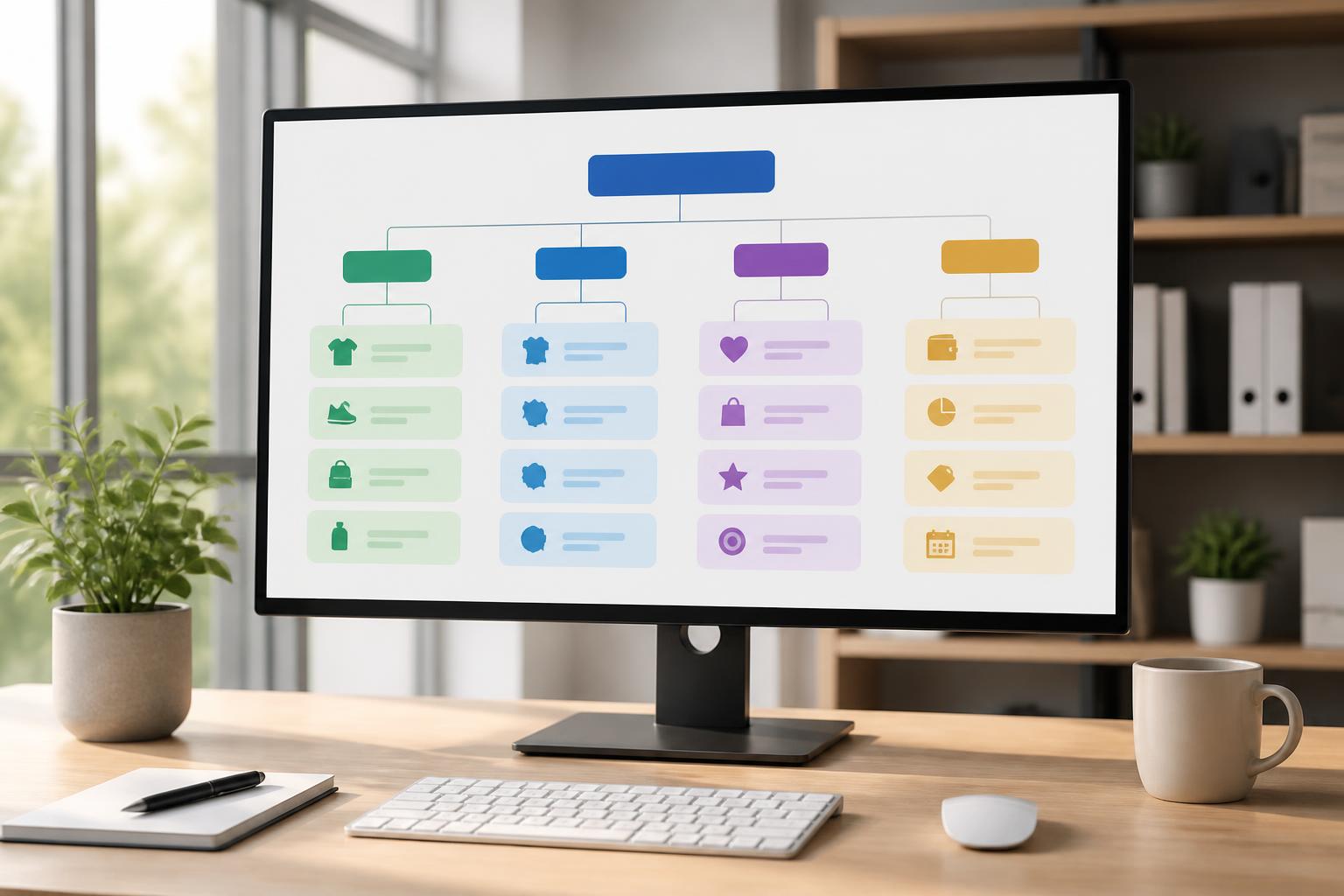
In this case, Facebook remarketing should not be understood simply as pursuing everyone who has ever visited the website. A more effective approach is to build a behavior-based funnel in which each user group receives content corresponding to what they already know, what they are still concerned about, and the next step the business wants them to take. The goal is not to create the feeling of being watched, but to continue the conversation at the right time with more useful information.
Why Do Products That Require Consideration Need Their Own Funnel?
In a simple transaction, an ad can take users straight to a product page or order form. However, for products that require consideration, the distance between initial attention and the purchase decision is usually greater. Users need to understand what problem the product solves, whether it suits their circumstances, what the actual cost is, how implementation works, and whether the business is trustworthy enough.
If an ad moves immediately from introductory content to a purchase call to action, the business may be asking too much of someone who has only just learned about the brand. Conversely, if it keeps repeating awareness content to people who have already viewed the pricing page or started filling out a form, the budget will be wasted because the message is not progressing. A remarketing funnel helps distinguish between these states. New users need an explanation of the problem; people who have interacted need more evidence; people showing strong intent need a clear registration or consultation step.
The important point is that a funnel does not necessarily need many layers. A streamlined structure consisting of an initial-reach group, an engaged group, and a high-intent group is sufficient to get started. Once data is available, the business can decide whether it needs to further segment by content type, product, or time period.
Segment by Behavior Instead of Demographics Alone
Demographics and interests can support the search for new customers, but in remarketing activities, behavior often indicates a more specific level of interest. Two people of the same age who are interested in the same field are not necessarily at the same stage. One person may only skim the content, while another may have spent time reading the service page, viewing the FAQ section, or visiting the contact page.
The first group may consist of people who have viewed or interacted with promotional content but have not visited the website. For them, the next ad should clarify the problem and the benefits, while avoiding too much commercial information. The second group includes people who have visited the website or product page. This is when content about comparisons, usage processes, frequently asked questions, and service terms becomes more appropriate. The third group may include people who have viewed the pricing page, started filling out a form, added a product to their cart, or sent a contact signal but have not completed the process. They need to be guided toward a specific action while having their final obstacle removed.
This segmentation approach requires the business to clearly identify which events reflect the level of interest. All visits should not be grouped into a single audience merely because doing so is convenient to set up. A visit lasting a few seconds and a visit involving multiple page views have different values. Similarly, someone who watches part of a piece of content and someone who completes a video should not automatically be treated as the same group if the campaign objective requires distinguishing levels of attention.
Design a Message Sequence for Each Stage
A remarketing funnel only has meaning when the message changes according to behavior. A logical content sequence often begins by answering the question of what problem the user is facing. Instead of opening with a lengthy introduction to the business, the ad can focus on a context that customers recognize in their work or daily lives. Content at this stage should help viewers name the problem and understand that an appropriate solution exists.
Once users have interacted, the message should shift to explaining how the product or service works. The business can present the process, scope of support, terms of use, situations in which it is suitable, and situations in which it should not be chosen. Clearly stating limitations does not make an ad less appealing; on the contrary, it helps viewers assess suitability for themselves and reduces inaccurate expectations.
At the high-intent stage, the content needs to address concerns before the decision is made. These may include implementation time, how to receive a consultation, payment options, return policies, preparation requirements, or each party’s responsibilities. The call to action should also be specific. “Learn more” is suitable for the exploration stage, while “Register for a consultation” or “Receive a suitable proposal” is clearer when users are closer to making a decision.
A common mistake is to use the same offer for every group. New users may not yet understand the product’s value, so a discount may not necessarily persuade them. Meanwhile, people who have already viewed detailed information may need an explanation or commitment regarding the process more than an additional discount. An offer should appear only when it addresses the right obstacle, rather than becoming the sole content of the advertising sequence.
Set Remarketing Time Windows Deliberately
The remarketing time window needs to reflect the product’s decision-making speed. For a need that arises quickly, a short remarketing window may be appropriate because users are still actively seeking a solution. For services that require consultation with multiple providers or products with large budgets, the business may need to maintain content over a longer period, but it must change the message to avoid repetition.
It should not be assumed that the longer users remain in an audience, the more frequently they need to be reminded. After a certain point, repeated exposure can reduce goodwill and make the ads seem irrelevant. The business should set a frequency limit appropriate to the audience size while excluding people who have completed the objective. People who have already made a purchase should not continue receiving customer-acquisition ads for that same product, unless the campaign is intended for upselling or post-purchase care.
Dividing time periods into recent and older groups also helps evaluate the quality of intent. Someone who has just visited the pricing page may receive content that directly addresses questions, while someone who interacted a long time ago should be re-engaged with a new perspective, such as a selection guide, expert content, or information about another usage situation. If there is no new content to discuss, that may indicate that the business does not need to extend the remarketing audience.
Control Overlap Between Audience Groups
When a user belongs to multiple groups at the same time, they may receive contradictory ads. For example, after viewing the contact page, the person may still receive basic introductory content; or after completing a registration, they may continue seeing ads encouraging them to fill out the form. This situation reduces the consistency of the experience and makes it difficult for the business to know which ads are actually contributing to the result.
To limit overlap, each group needs clear inclusion and exclusion conditions. The high-intent group should be excluded from the general engagement group. People who have completed the objective should also be excluded from the conversion-seeking group, unless there is a separate post-purchase campaign. The simpler the structure, the easier it is to review. Too many small audiences should not be created if there is not enough data for the system to deliver consistently and the business does not have enough content to serve each audience.
The business should create an audience map before implementation, clearly recording the behavior that creates the audience, the retention period, the content it receives, and the conditions for leaving the audience. This document helps the advertising, content, and sales teams align their understanding. It also makes reviews more practical, rather than merely looking at audience names in the ad management interface.
Connect Ads with Landing Pages and the Consultation Team
An ad with an appropriate message can still struggle to produce results if the landing page does not continue the promise correctly. If the ad discusses the implementation process but the landing page only displays a general introduction, users will have to search for the information again and may leave. Each remarketing group should be directed to a corresponding destination. People who are researching need a clearly explained page; people who want to compare need structured information; people who are about to make contact need a concise form and guidance on the next step.
For products that require consultation, the quality of handling after users submit their information is just as important as the ad itself. If the form asks too many questions without explaining what the data will be used for, the completion rate may decline. If the consultation team responds slowly or does not know which content the user has viewed, the conversation will have to start from the beginning. Therefore, the campaign should establish the minimum information that needs to be passed to the sales department, such as the registration source, the selected need, and the content the user was interested in.
How to Evaluate a Remarketing Funnel
You should not look only at the number of clicks or cost per click to conclude that a funnel is performing well. These metrics help identify the level of initial appeal, but they do not show whether users are progressing through the stages. The business needs to track the relationship between viewing an ad, visiting the landing page, completing an action, and the quality of the subsequent contact.
A group with many interactions but few subsequent actions may be receiving engaging content that is not yet clear enough. A group with many forms but a low rate of qualified contacts may be targeted too broadly, or the form may not be screening for the right needs. If sales take time to materialize, the evaluation must also allow enough time for the decision-making cycle instead of changing the campaign after only a few days of unstable data.
When results do not meet expectations, check in this order: does the audience accurately reflect behavior, is the message appropriate for the stage, does the landing page continue the ad content, is the conversion step too difficult, and is the post-conversion team handling things consistently? Checking the sequence in this way helps avoid blaming the ad creative for the entire problem when the actual cause lies in the experience after the click.
Start with a Simple, Controllable Funnel
The business does not need to build a complex system from the beginning. A starting version can include three groups: people who have interacted with content, people who have visited an important page, and people who have shown conversion intent. Each group uses a different message, has a suitable landing page, and has clear exclusion conditions. After tracking enough data, the business can further segment by product, time, or type of behavior.
The value of a remarketing funnel does not lie in the number of audience groups, but in its ability to create a journey with a rationale. Each time users see an ad, they should receive new information or a logical next step. When a business respects viewers’ level of interest, controls frequency, and closely connects ads with landing pages, Facebook can become a channel for nurturing decisions rather than merely a place to broadcast repeated sales pitches.