


Google Search 2026 Update: A Fundamental Reshaping of Website Rankings on the Results Page

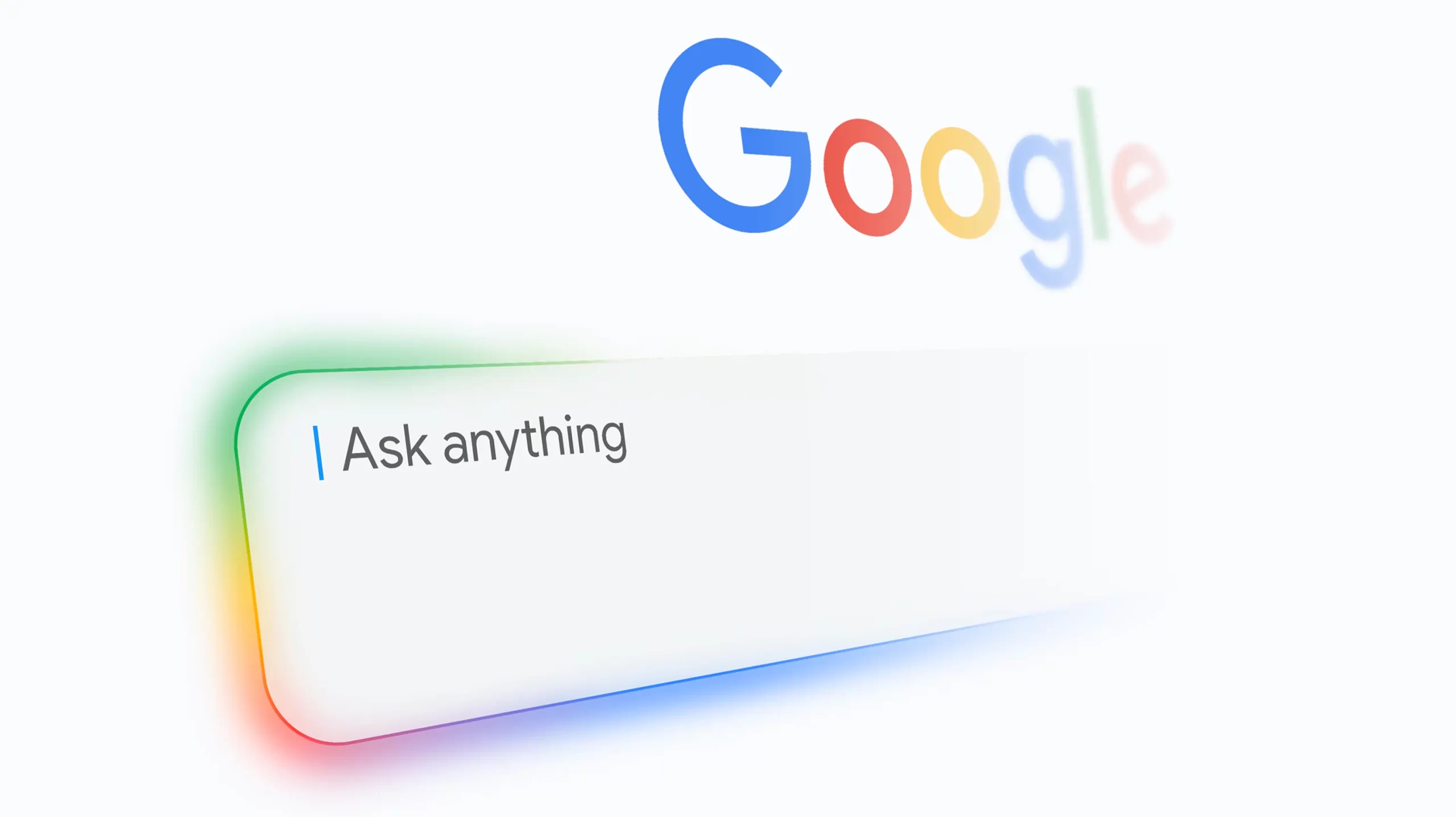
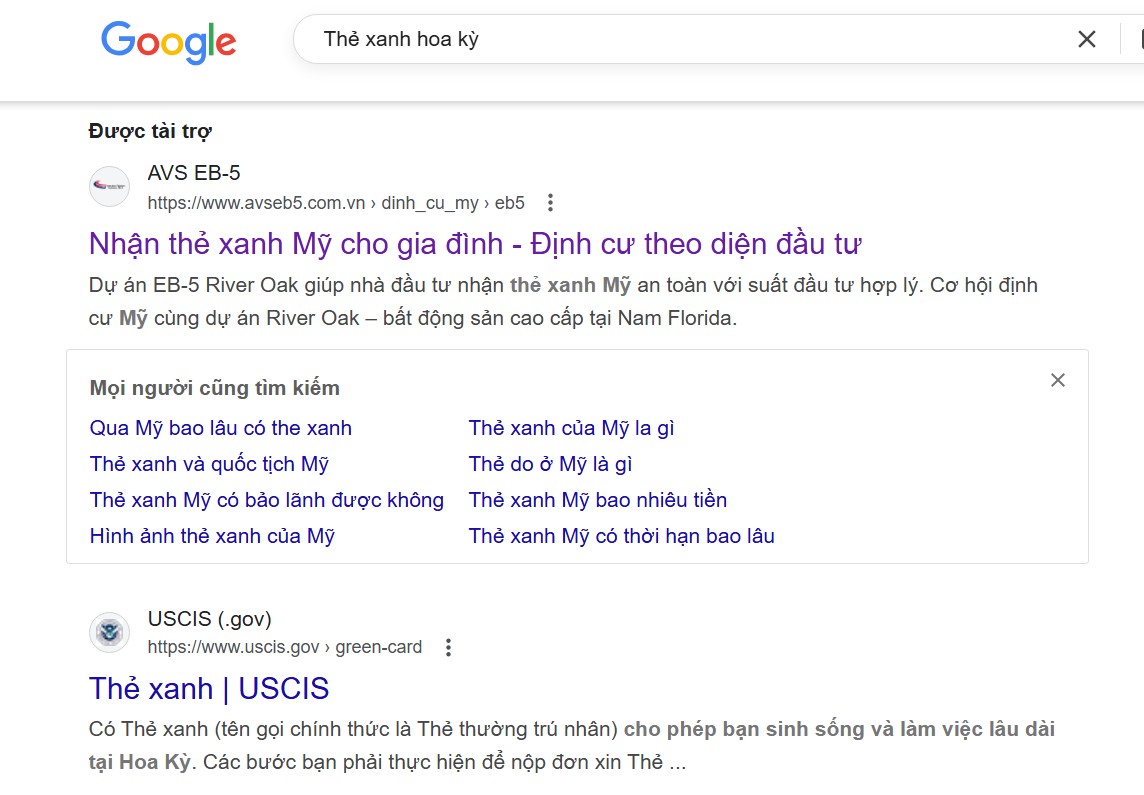
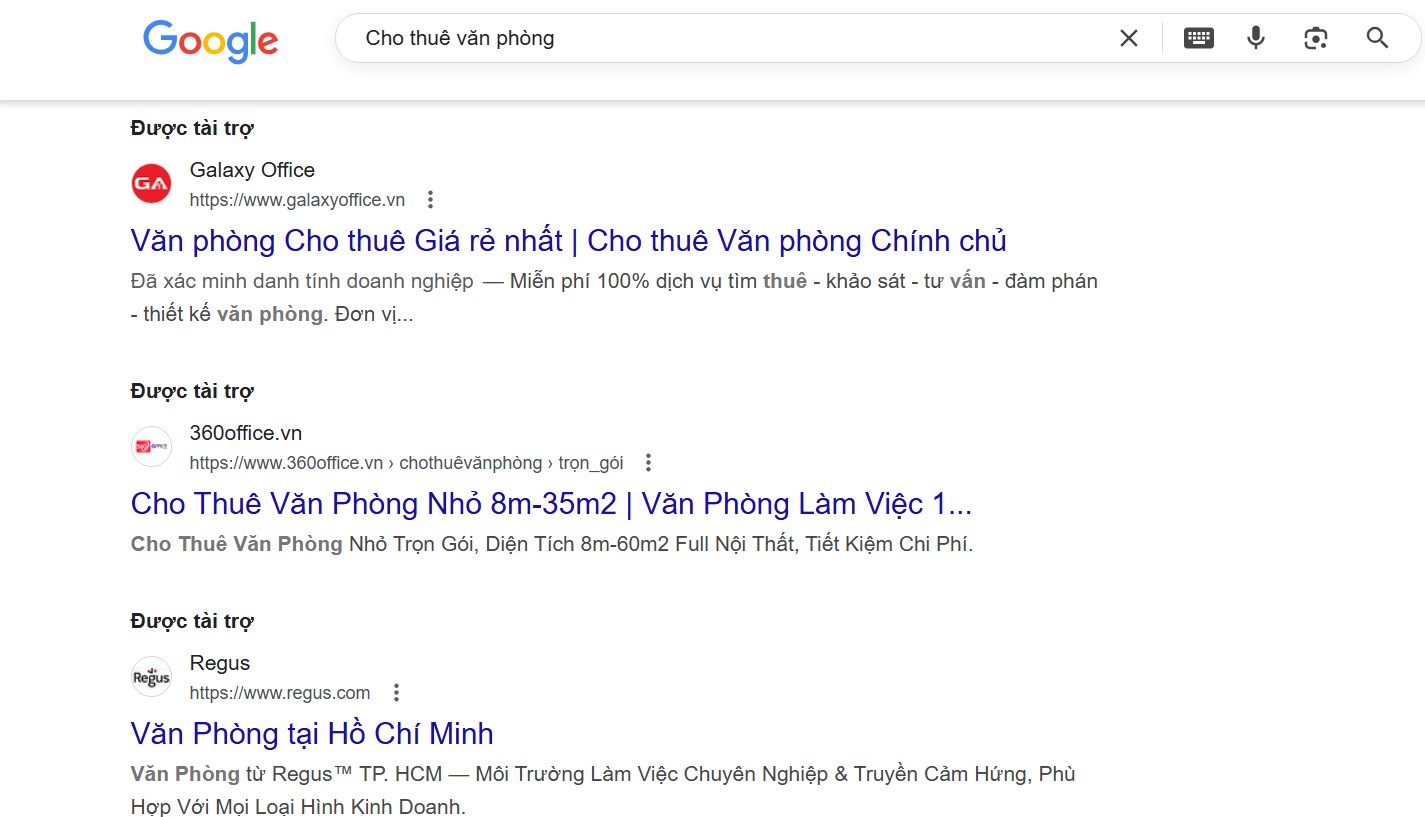
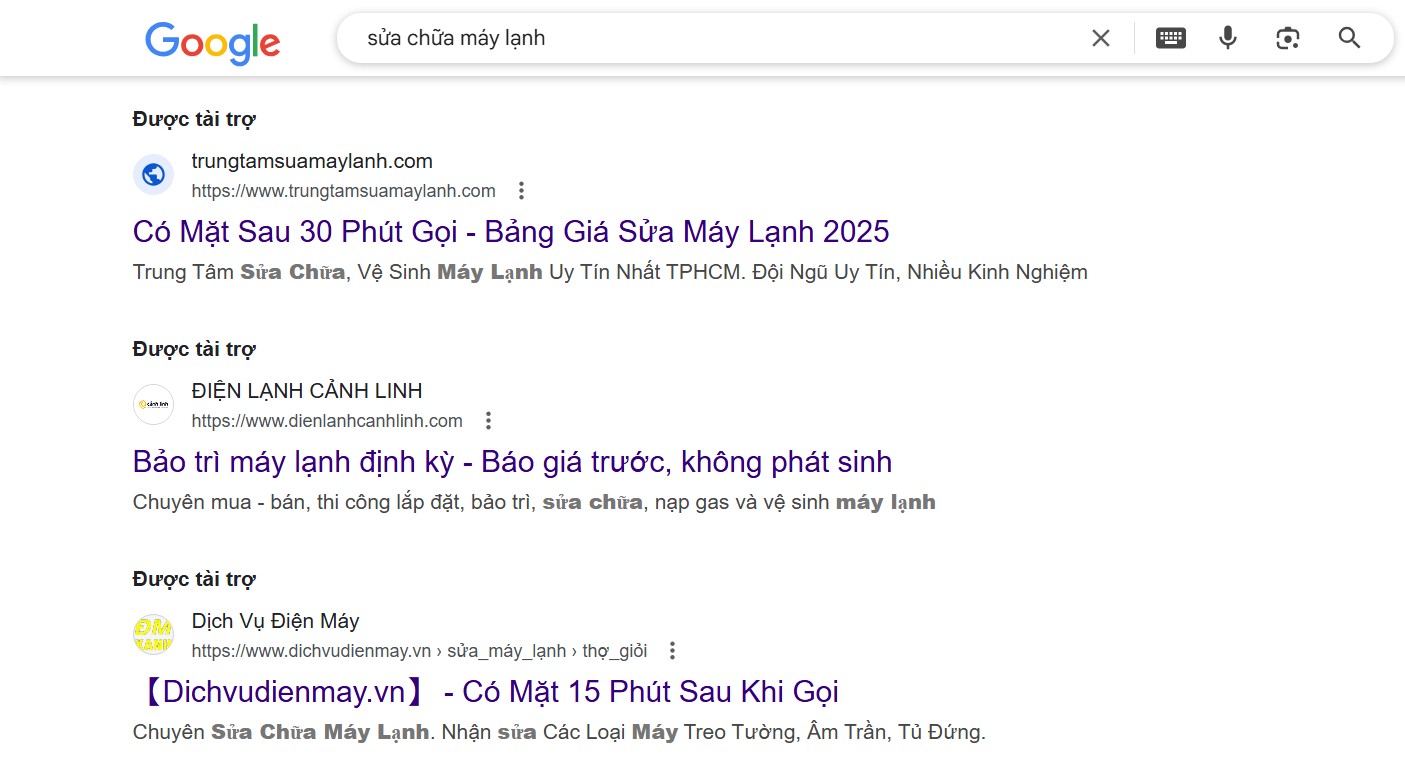
Amid the rapid expansion of artificial intelligence across the digital ecosystem, Google continues to introduce significant adjustments to Google Search, redefining how websites are ranked on search engine results pages. The latest 2026 update is not merely a technical refinement. It signals a deeper structural shift: from optimizing for algorithms to optimizing for genuine user value.
At its core, this update reinforces a direction Google has pursued for years — rewarding authenticity, expertise, and user-centric experiences over mechanical search engine manipulation.
A Stronger Emphasis on Content Quality and “Human Signals”
Over the past few years, Google has consistently emphasized the E-E-A-T framework: Experience, Expertise, Authoritativeness, and Trustworthiness. In this update, those standards are applied more rigorously and measured with greater sophistication.
Keyword density and backlink volume are no longer decisive advantages. Instead, Google increasingly evaluates whether content reflects real-world experience, subject-matter expertise, and verifiable credibility.
Notably, so-called “human signals” are now more deeply embedded into ranking systems. These include user engagement metrics such as dwell time, repeat visits, organic sharing behavior, and interaction depth. Websites that focus solely on technical optimization while neglecting substantive value have begun to see measurable ranking declines.
The underlying message is clear: content created for people will outperform content created purely for algorithms.
AI-Generated Content: Not Prohibited, but Scrutinized
With AI-assisted content production becoming widespread, many organizations have adopted automated tools to generate articles at scale. The 2026 update does not ban AI-generated content. Instead, Google evaluates output quality rather than production method.
Content produced with AI support but lacking editorial oversight, fact-checking, and original insight faces lower rankings. Conversely, in-depth analysis supported by data, clear reasoning, and professional accountability continues to perform well.
This shift is particularly significant for sensitive sectors such as finance, healthcare, environmental policy, and public affairs, where credibility is paramount. In these areas, surface-level automation cannot replace demonstrated expertise.
The implication is straightforward: AI can support productivity, but human judgment remains indispensable.
User Experience Remains a Structural Pillar
Google continues to reinforce Core Web Vitals as foundational ranking criteria. Page loading speed, mobile responsiveness, layout stability, and interactive responsiveness are no longer secondary considerations — they are baseline requirements.
Websites cluttered with intrusive advertising, confusing navigation, or unstable layouts are losing competitive ground. In contrast, platforms offering clean structure, intuitive navigation, and mobile-first optimization are rewarded with stronger visibility.
This is particularly relevant in emerging markets where mobile internet usage dominates. Websites that fail to prioritize mobile performance effectively remove themselves from serious competition.
Multimodal and Contextual Search Capabilities
Google’s advancements in visual, voice, and conversational search continue to expand. Tools such as Google Lens, along with semantic AI systems, allow the search engine to better interpret user intent rather than simply matching keywords.
As a result, content strategies must evolve. Pages structured around fragmented keyword targeting are becoming less effective. Instead, comprehensive articles that fully address user questions — explaining not only “what” but also “why” and “how” — are increasingly favored.
Long-form analytical content, explanatory journalism, and comparative insights are gaining greater exposure, particularly for complex or question-based queries.
For publishers and specialized industry platforms, this development represents both a challenge and an opportunity. Depth and clarity now create measurable competitive advantage.
Stricter Enforcement Against Spam and Link Manipulation
Google has further strengthened systems designed to detect artificial link schemes and manipulative backlink networks. Bulk link exchanges, paid link farms, and unrelated backlink acquisition strategies continue to face penalties.
Quality has overtaken quantity in link evaluation. A single backlink from a reputable, contextually relevant source can carry significantly more weight than dozens of low-quality references.
This reinforces a long-term principle: sustainable ranking growth must be earned through genuine authority and meaningful contribution, not technical shortcuts.
Implications for Businesses and Publishers
For small and medium-sized enterprises that historically relied on short-term SEO tactics, the 2026 update presents a clear inflection point. Sustainable visibility now requires strategic investment in brand credibility and content excellence.
E-commerce, real estate, finance, and education sectors are particularly affected. Websites lacking transparent authorship, updated information, or verifiable references are experiencing reduced visibility. Meanwhile, organizations that invest in subject-matter expertise, data transparency, and regular content updates are demonstrating more stable growth patterns.
In practical terms, this update accelerates market differentiation. Platforms willing to build authority gradually will benefit. Those seeking rapid gains through tactical manipulation may struggle.
SEO as Strategic Discipline, Not Tactical Trick
Perhaps the most significant conceptual shift is the transformation of SEO from a technical function into a strategic discipline.
Three essential questions now define competitive positioning:
Does the content genuinely solve a real problem for users?
Is the author qualified to address the subject?
Is the information regularly updated and factually verified?
Affirmative answers to these questions increasingly outweigh mechanical optimization practices. SEO has become inseparable from brand integrity.
The Rise of AI-Integrated Search Summaries
Another emerging development is the appearance of AI-generated summary responses directly within search results pages. Google increasingly provides synthesized answers before users click through to external websites.
This dynamic introduces a structural challenge: how can publishers attract traffic when part of the information is already summarized?
The answer lies in depth. AI summaries can condense basic explanations, but they cannot replace comprehensive analysis, proprietary data, or original perspective. Websites that offer nuanced insight beyond surface-level information remain attractive to engaged readers.
Rather than resisting AI integration, successful publishers will differentiate themselves through context, interpretation, and authoritative commentary.
A Broader Structural Transformation
The 2026 Google Search update should not be viewed as a temporary algorithm adjustment. It represents another milestone in Google’s long-term effort to elevate information quality across the digital ecosystem.
For publishers, this is a moment to reassess editorial strategy: invest in real expertise, build transparent author profiles, maintain data integrity, and prioritize user experience.
For businesses, SEO is no longer a short-term marketing expense but a strategic component of reputation management.
At a broader level, this transformation reflects a positive evolution. In an era when AI can generate thousands of articles per hour, differentiation is no longer defined by production speed but by authenticity, reliability, and depth.
The competition for search visibility is entering a more mature phase. Those prepared to commit to long-term credibility will likely secure durable advantage. Those pursuing shortcuts may gradually fade from the first page of results.