



Reducing Invalid Clicks in the Pest Control Industry and the Path to Sustainable SEO

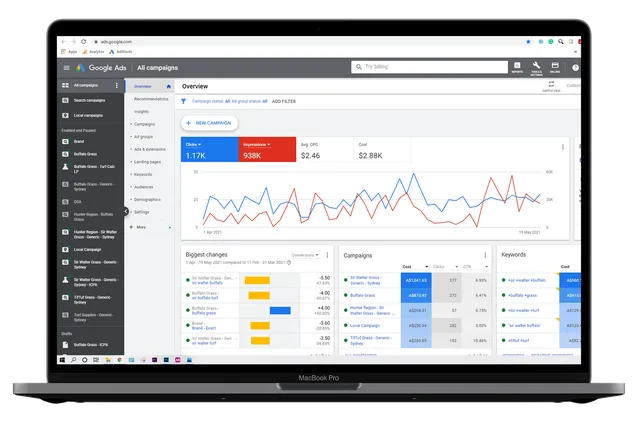
The pest control industry is one of the most competitive fields in the digital space. As demand for termite, cockroach, rodent, and mosquito treatment continues to rise in residential and commercial areas, online advertising has become one of the fastest ways to reach customers. However, opportunity comes with risk, and one of the biggest risks is invalid clicks, especially when a business relies too heavily on paid ads without building a strong SEO foundation.
Invalid clicks do more than drain advertising budgets. They also distort performance data and make businesses misjudge the effectiveness of their marketing. In the pest control industry, where each phone call can lead to a high value contract, losing real customers because the budget is being consumed by meaningless clicks is a serious loss. That is why reducing invalid clicks cannot be separated from building a sustainable stream of organic customers through SEO.
How invalid clicks impact pest control businesses
When a pest control company runs search ads, the expectation is that every click comes from someone who needs pest treatment at home or at work. In reality, this is not always the case. Invalid clicks may come from competitors, automated bots, or people with no real intention of using the service.
The first consequence is rapid budget depletion. Daily ad budgets can be exhausted within just a few hours, causing ads to stop showing right when real customers are searching. This is especially critical during peak seasons, when pest activity increases due to hot and humid weather.
Beyond financial loss, invalid clicks also corrupt data. Businesses may see high traffic numbers but unusually low conversion rates. This leads marketing teams to spend extra time adjusting ad copy, landing pages, and keywords without understanding the real root cause. Meanwhile, the website may suffer from overload due to abnormal traffic, negatively affecting the experience of genuine visitors.
Worse still, when advertising continuously burns through budgets without generating contracts, business owners can lose confidence in digital marketing. They may either increase spending in frustration or cut advertising altogether, both of which carry significant risks.
Why the pest control industry is an easy target for invalid clicks
Pest control services often have relatively high order values compared to many other household services. A termite treatment contract for a home or office can generate substantial revenue. As a result, competition among providers is intense, especially in large cities.
Keywords related to pest control typically have high bid prices. When the cost per click rises, causing a competitor to run out of budget becomes an unfair tactic some may resort to. In addition, campaigns in this industry are often targeted to specific geographic areas, which can make concentrated click attacks more damaging.
Another reason is that many pest control businesses have not invested properly in SEO. They depend almost entirely on paid ads for customer acquisition. This dependence makes every invalid click more dangerous, because nearly all leads come from advertising.
Practical ways to handle invalid clicks in search advertising
When you notice unusual signs such as a sudden spike in clicks without phone calls or form submissions, you should immediately review your campaign data. Splitting campaigns by time slots and geographic areas can help reduce the risk of losing your entire budget in a short period. If one small campaign is affected, the damage can be contained instead of spreading across all ads.
Analyzing actual search terms is also crucial. Some keywords may appear related to pest control but attract clicks from people looking for general information, students doing research, or homeowners trying to solve problems on their own. Excluding search terms that do not reflect service intent can significantly reduce low quality traffic.
Monitoring IP addresses and abnormal user behavior provides another layer of protection. If you identify a traffic source that repeatedly clicks ads without meaningful interaction on the site, technical measures can be applied to limit it. However, it is important to understand that this method is not always fully effective, as anonymous browsing technologies are increasingly common.
At the same time, refining ad messaging and landing pages to focus more clearly on specific customer groups can help filter out irrelevant clicks. When the message clearly states service areas, property types, and treatment processes, people who are just curious or not a good fit are less likely to click.
Even so, all these measures are defensive. They reduce damage but cannot completely eliminate invalid clicks. To break free from dependence on ads and constant fear of budget attacks, pest control businesses need a stronger foundation, and that foundation is sustainable SEO.
Sustainable SEO as a long term shield against invalid clicks
Unlike paid advertising, SEO focuses on bringing websites to the top of organic search results through high quality content and technical optimization. When customers search for services such as termite treatment at home, safe cockroach control for families with children, or office disinfection, appearing in organic results allows businesses to reach real demand without paying for every click.
The greatest strength of SEO is sustainability. A well optimized article explaining the signs of termite infestation or the safe process of pest treatment can attract customers for years. This traffic is not affected by competitors intentionally clicking on ads.
SEO also helps build brand authority. When customers repeatedly see your website providing helpful information, they begin to view you as an expert in pest management. This trust increases the likelihood that they will contact you when they have a real need, rather than simply comparing prices between ads.
Building an effective SEO strategy for pest control services
SEO in the pest control industry is not about stuffing keywords. The key is understanding the customer journey. Some people search because they just discovered termites at home, others are looking for prevention methods, and some are property managers seeking long term service contracts. Each group requires a different content approach.
Your website should have detailed service pages for each type of pest and each service area. The content should clearly explain treatment methods, safety levels, work processes, and warranty policies. This information supports SEO and also reassures customers before they make a call.
In addition, educational articles such as how to recognize termite damage, why cockroaches appear more during the rainy season, or how to prevent mosquitoes in residential areas can attract large search volumes from people in the research phase. These are potential future customers. When they are already familiar with your brand, they are more likely to choose you when they need professional service.
Local SEO is especially important for pest control businesses. Customers usually search for services near their home or workplace. Optimizing your business information on map platforms and keeping your address and phone number consistent across directories increases your chances of appearing when users search by location.
Technical website performance must not be overlooked. The site should load quickly, display well on mobile devices, and have a clear structure so search engines can understand it easily. A slow or poorly displayed site not only hurts rankings but also drives away real customers.
Combining advertising and SEO for stable growth
Paid advertising is not a bad thing. In the pest control industry, it remains an important channel for generating leads quickly, especially for new brands or during peak seasons. However, advertising should support your strategy rather than serve as the only source of customers.
When SEO already brings a stable number of customers each month, businesses can reduce the pressure to run large ad budgets. At that point, even if invalid clicks occur, the impact is less severe because organic traffic continues to sustain operations.
SEO data can also help optimize advertising. Keywords that generate high organic traffic and strong conversions can be prioritized in paid campaigns. On the other hand, keywords with high traffic but poor conversion rates can be reconsidered to avoid wasting budget.
A long term mindset helps businesses stay strong against unfair competition
In the digital business environment, encountering invalid clicks is almost unavoidable. Instead of focusing only on technical measures to block suspicious clicks one by one, pest control companies should address the issue at a strategic level.
Investing in sustainable SEO is like building a digital asset for your business. Every high quality article and well optimized service page becomes a “salesperson” working continuously, unaffected by someone intentionally clicking on ads. When this foundation is strong enough, businesses can remain calm in the face of unfair competitive tactics.
Ultimately, the most important factor is still delivering real value to customers. Useful content, professional service, and long term credibility will help businesses survive and grow despite meaningless clicks. Sustainable SEO is the path that allows the pest control industry to escape overreliance on advertising and achieve stable growth for many years to come.