


Website Uptime Monitoring Software: From Detecting Interruptions to Proactive Incident Response

A website may still appear to be working normally when an employee checks it, yet may have experienced multiple periods of downtime beforehand without anyone recording them. For online stores, information portals, appointment-booking systems, or online services, every failed access attempt can disrupt work and cause users to lose trust. Therefore, checking a website by manually opening a browser is no longer sufficient to assess service stability.
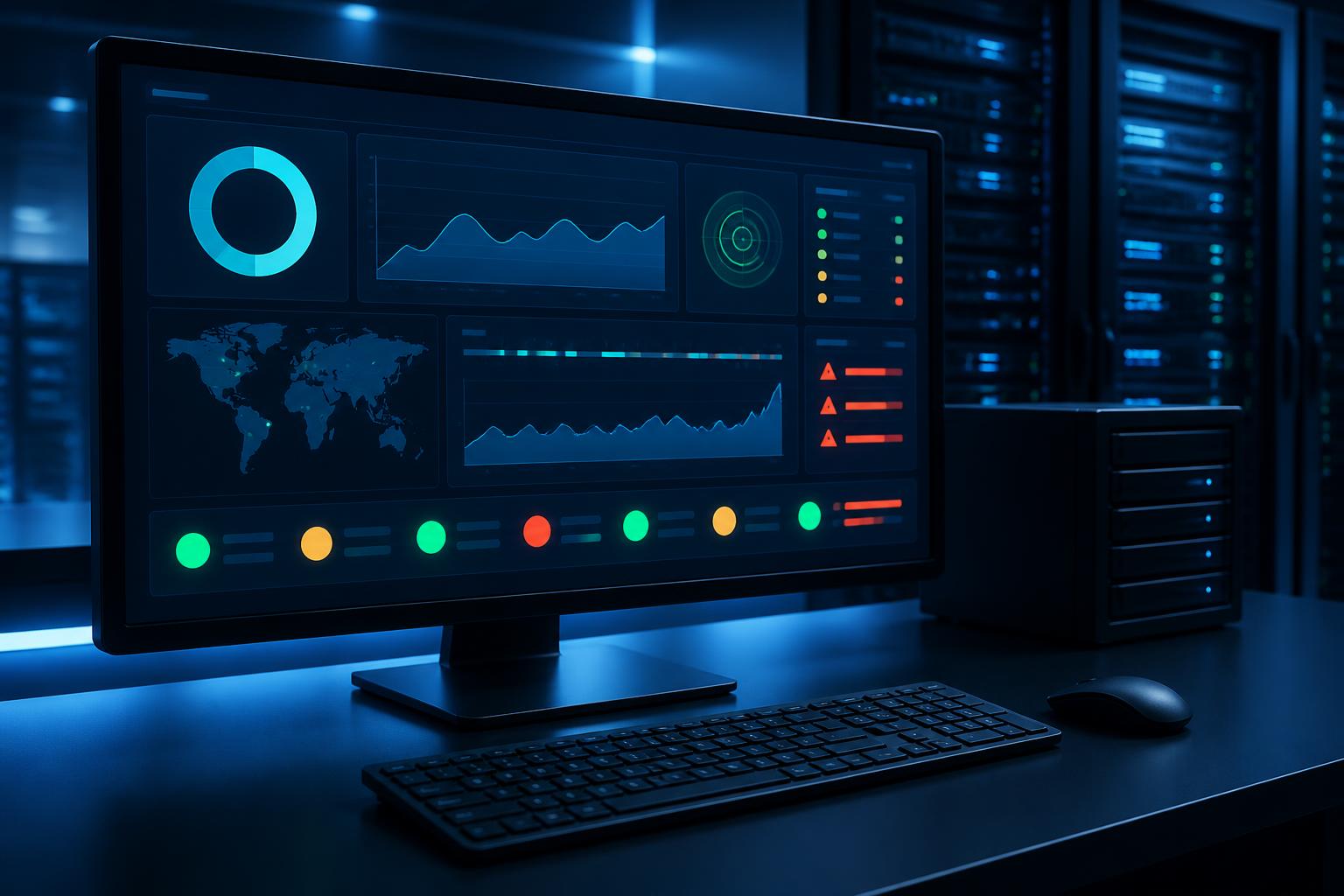
Website uptime monitoring software is designed to track accessibility at set intervals, record responses from the server, and send alerts when signs of abnormality are detected. However, the value of the tool does not lie only in reporting that the website is experiencing an error. A well-deployed system also helps the team determine when the error began, what scope it affects, whether it is recurring, and which department should handle the incident.
How should website uptime be understood?
Uptime is commonly used to describe the period during which a service can be accessed and responds to requests. In practice, a website does not necessarily have to stop working completely to be considered problematic. A page may load very slowly, the server may return an error, the security certificate may be invalid, the domain name may fail to resolve, or an important function may not work. If a tool only checks whether the server responds, it may overlook many errors that users actually encounter.
Therefore, when building a monitoring process, businesses should distinguish between connectivity and usability. Connectivity checks generally confirm whether the website responds, while content or transaction checks can go further by determining whether the homepage loads correctly, forms work, the login area responds, and the ordering flow can be completed. These two layers of checks complement rather than replace each other.
Why should you not just wait for users to report errors?
Users usually report an issue only when it has directly affected them. By then, the business may already have lost a significant amount of time before becoming aware of the incident. In addition, user feedback often lacks the technical information required. A description such as “the website cannot be accessed” does not indicate whether the issue affects all visitors or only a particular network, whether it appears briefly or persists, or whether it relates to the server, domain name, certificate, or application.
Software that operates continuously can create a clearer timeline. This log helps the team compare incidents with recently implemented changes, such as source-code updates, server adjustments, DNS configuration changes, newly installed extensions, or the deployment of a new version. When data is recorded consistently, investigation no longer depends entirely on employees’ memories or scattered screenshots.
Important monitoring layers
HTTP status checks
This is the basic checking layer, in which the software sends a request to a selected address and reads the response from the website. The tool can record the status code, response time, and connectivity. This checking method is suitable for the homepage, login page, contact page, or addresses representing publicly available services.
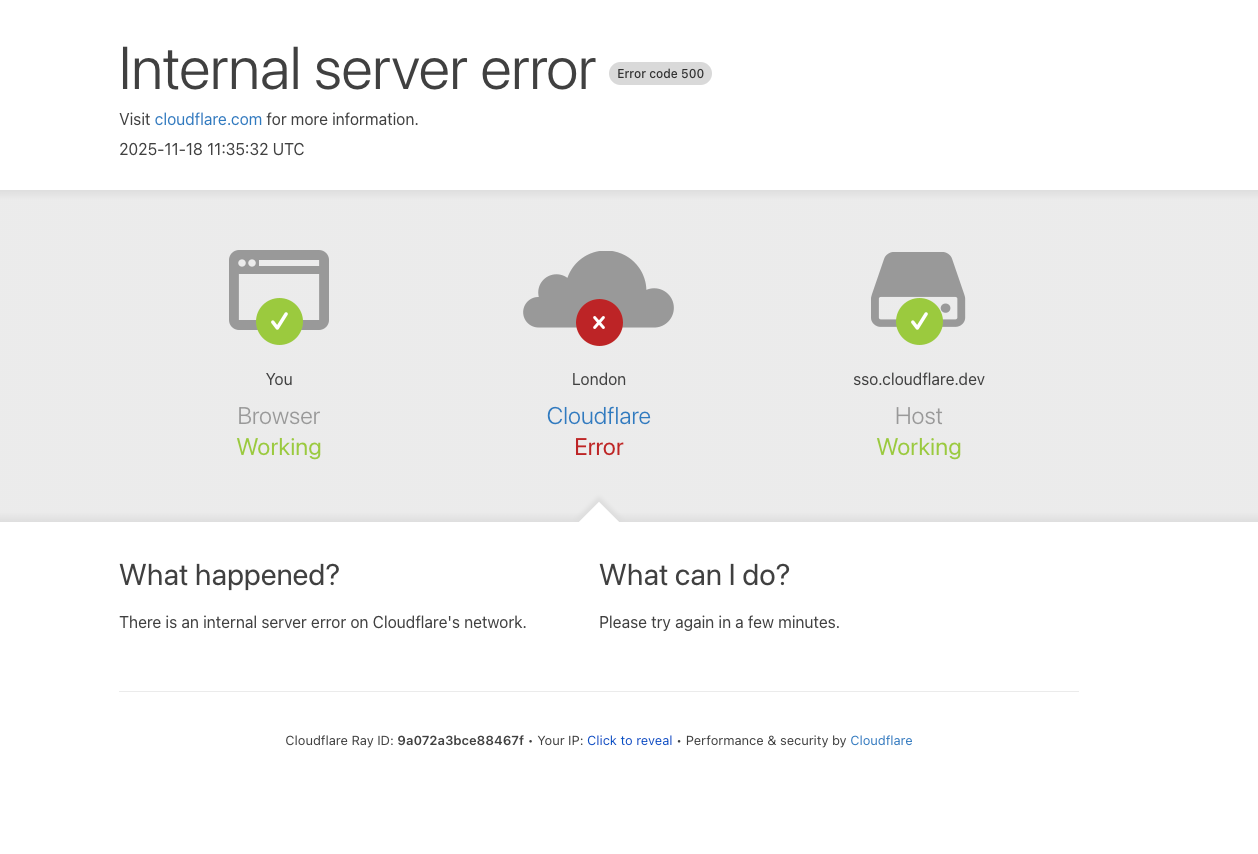
However, a successful response does not mean that the entire website is functioning correctly. A server may return an error page while still sending a response code that causes a simple check to classify it as successful. Therefore, monitoring configuration should consider the status code, response content, and the minimum conditions that the page needs to satisfy.
Content checks
Content checks help confirm that the page returns the correct important elements. The software can search for a stable text string, check for the presence of a particular element, or detect unusual error messages. This method is useful when the website still responds but displays a blank page, an unexpected maintenance page, or incorrect content due to an application-server error.
When choosing checking conditions, businesses should prioritize indicators that are stable. If a frequently changing piece of text is used, the system may generate false alerts. Conversely, a condition that is too simple will not be capable of identifying errors. Testing during the first few days helps determine which criteria truly reflect the service status.
Functional-flow checks
For websites with important functions, checking the homepage is not enough. An online store needs to consider the ability to view products, search, add products to the cart, and proceed to checkout. An appointment-booking system needs to check the ability to select a time, submit information, and receive a response. These steps are often simulated using an automated browser or a separate testing script.
Functional flows have higher operating and maintenance costs than simple URL checks because the interface or process may change. Businesses do not necessarily need to test every function at every interval. Instead, they should select several flows that represent core operations and update the scripts immediately after major changes to the website.
Certificate and domain checks
An expired SSL certificate or an improper configuration can cause the browser to warn users even while the server is still operating. Domains can also encounter problems when DNS records are changed, resolution servers are unstable, or the registration period is about to expire. Good monitoring software should be able to track these milestones or integrate with specialized tools to provide advance alerts.
Early alerts are especially important for time-sensitive issues. If notification is received only after a certificate has expired, the team must handle the matter in an emergency situation. In contrast, advance notification allows the team to schedule renewal, check the configuration, and identify the responsible person without interrupting the service.
Designing alerts without creating additional pressure
Alerts are an aspect that is easily overlooked when deploying monitoring software. If every instance of a slow response sends a notification to the entire group, employees may quickly develop a habit of ignoring alerts. An effective system needs to classify severity levels and establish corresponding notification channels.
An incident confirming that the website cannot be accessed multiple times in succession may be sent through a channel requiring immediate action. A single slow response that recovers on its own may only be recorded in the log or included in a summary. Alerts related to certificates, domains, or performance thresholds should have different advance-notice periods. This classification helps the team focus on incidents that are likely to have a real impact.
Businesses should also establish a mechanism to prevent repeated alerts. When a server loses connectivity, multiple checks may fail at the same time and generate a large number of identical notifications. The software needs to group related events into a single incident while updating the status when the service recovers. After resolution, the report should clearly specify the start time, end time, duration of impact, and any recurrences, if applicable.
What data should be tracked after deployment?
Uptime is usually the first metric of interest, but it should not be the only data point. Response time helps identify situations in which the website has not completely gone down but is deteriorating. The number of errors by monitoring location may suggest issues related to the network, DNS, or server location. The frequency of repeated alerts indicates an error that has not been addressed at its root or an alert threshold that is not set appropriately.
When analyzing data, the figures need to be considered in an operational context. An increase in response time during backups, updates, or periods of high traffic may have a different cause from an error that appears randomly throughout the day. System-change logs should be stored together with monitoring data so that employees can compare them instead of speculating.
Periodic reports should also support specific decisions. If the goal is to improve reliability, the report should identify periods of downtime and the causes that have been determined. If the goal is to optimize the user experience, attention should be paid to response-time trends and pages showing signs of slowness. The more closely a report is tied to action, the more valuable the tool is for website management.
Criteria for selecting uptime monitoring software
First, businesses need to determine the scope of monitoring. A simple informational website may only need status and certificate checks. A system involving transactions or integrations with multiple services needs the ability to check content, functional flows, incident history, and role-based access. Choosing a tool that exceeds the actual requirements can increase costs and make operations unnecessarily complex.
The ability to configure checking intervals, monitoring locations, error-confirmation conditions, and timeouts are factors that should be considered. The tool should also provide an interface for viewing history, exporting reports, and distinguishing ongoing incidents from incidents that have recovered. If multiple people are responsible for the website, access management and assigning alert recipients are also very important.
Businesses should check how the software handles data and sensitive information, especially when the tool must log in to an administrative area or perform a test transaction flow. Monitoring accounts should have only the minimum necessary permissions and should not be shared with the primary administrative account. Testing scripts should also avoid creating real orders, sending real emails, or changing production data unless control mechanisms are in place.
Practical implementation process
The first step is to create a list of the addresses and functions that need to be monitored, then classify them by level of importance. The homepage, login area, contact form, and revenue-generating functions are usually prioritized. Next, the team determines the conditions considered to constitute an error, the person responsible, and the alert channel for each service group.
During the testing phase, the tool should run in parallel with the current checking process. This is when false alerts can be identified, checking intervals adjusted, and whether recipients actually respond verified. An alert that does not reach the right person or arrives at an inappropriate time is still a weakness in the process, even if the software has strong technical capabilities.
After the system has stabilized, the business needs to schedule reviews. URLs, content conditions, test accounts, and functional scripts may become outdated after each website change. Reviews also help remove checks that are no longer valuable, add new monitoring points, and update the list of responsible people when the organizational structure changes.
Monitoring does not replace the incident-response process
Software only detects and communicates signs of abnormality; it does not replace the analysis of causes and remediation. Businesses still need to specify who verifies an alert first, who has the authority to change configurations, when to contact the hosting provider, and how to notify the relevant departments. For prolonged incidents, there needs to be a plan for providing status updates to prevent multiple people from handling the same task or overlooking an important step.
After each incident, the team should record the cause, the resolution method, and preventive measures. If the website repeatedly becomes slow after a periodic task, it may be necessary to adjust the schedule or add resources. If alerts fail to detect an issue experienced by users, the monitoring scope needs to be reviewed. These lessons turn monitoring data into a basis for improving operations rather than merely a list of notifications.
Finally, uptime should be regarded as part of service quality, not the sole goal of the technical team. A stable website requires a combination of accessibility, response speed, content accuracy, connection security, and the ability to recover when errors occur. When configured correctly and connected to a clear incident-response process, uptime monitoring software helps businesses move from passive reaction to early detection, evidence-based investigation, and continuous improvement.