


Passkeys for Websites: A New Step Forward in Protecting User Accounts

For many years, passwords have remained the most common login method on websites. Users have to remember numerous strings of characters, change passwords when there are signs of risk, and regularly deal with situations such as forgetting a password, entering it incorrectly too many times, or not receiving a password-reset email. For businesses, password systems also entail many responsibilities involving storage, protection against guessing attempts, detection of unusual logins, and customer support.
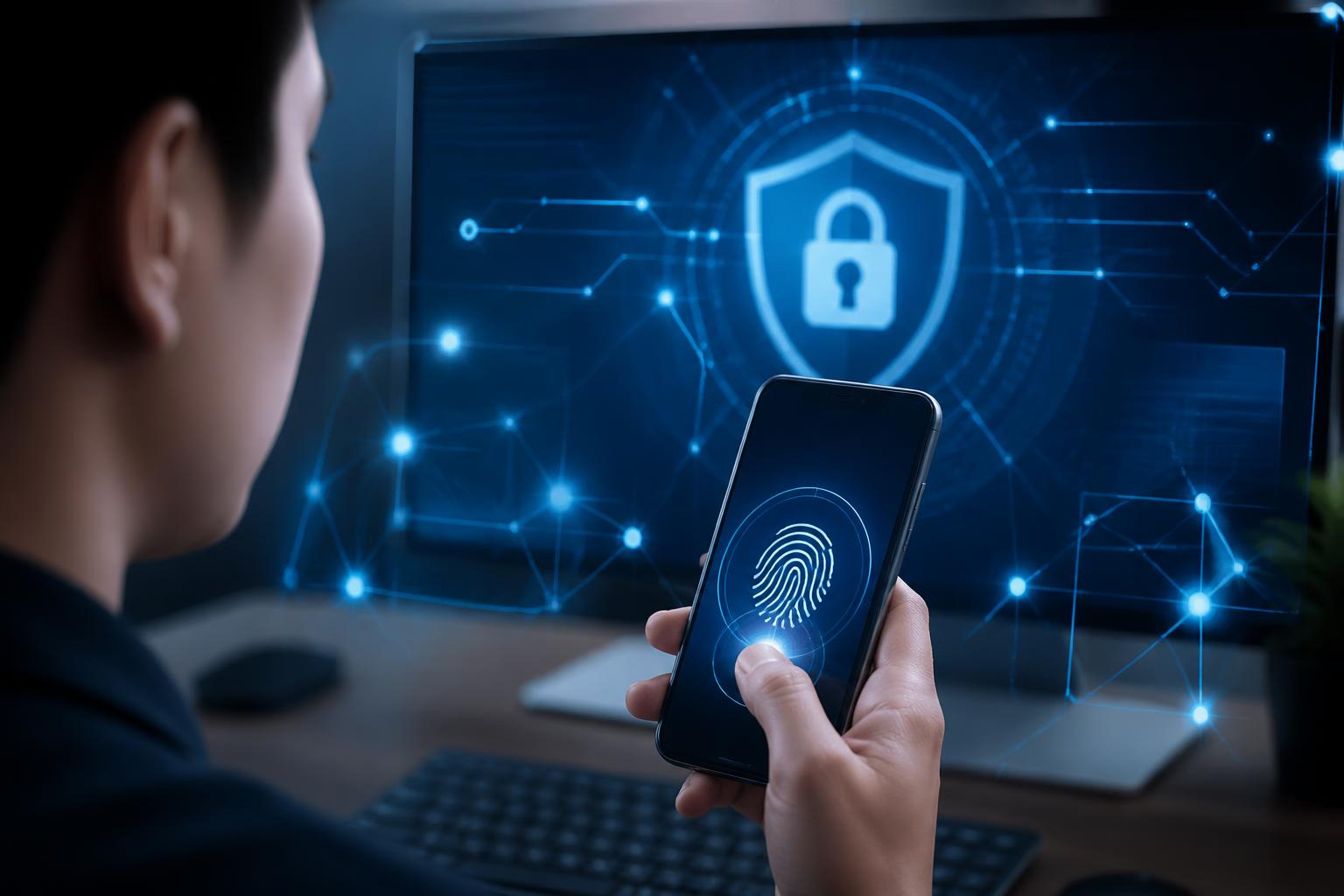
Passkeys are attracting attention as a new approach to reducing these inconveniences. Instead of requiring users to enter a password, passkeys make use of authentication mechanisms already available on a device, such as fingerprints, facial recognition, screen-lock codes, or security devices. This approach not only aims to provide a faster login experience but also changes how websites handle authentication information at the foundational level.
How do passkeys work?
In essence, passkeys are based on a cryptographic key pair consisting of a private key and a public key. When a user registers a passkey with a website, the device creates a key pair dedicated to that account and service. The public key is sent to the server for verification, while the private key is stored on the device or in the user’s authentication information management system.
During a subsequent login, the website sends an authentication request. The device uses the private key to create a valid response after the user confirms their identity using the device’s protection method. The server checks this response using the stored public key. The website does not need to receive or store a password in a form that users could reuse across multiple services.
An important point is that fingerprint scans, facial recognition, or screen-lock codes usually take place locally on the device. The website receives the result of cryptographic authentication, not the biometric data itself. As a result, passkeys can create a balance between convenience and the ability to protect sensitive information.
Why should websites pay attention to passkeys?
Reducing risks from exposed passwords
Passwords are often exposed because users choose overly simple strings, reuse the same password across multiple services, or enter their information on phishing sites. When one account is compromised, an attacker can try the same information on other platforms. Passkeys are created for each individual service, so the exposure of authentication information in one place does not mean that the same information can be reused elsewhere.
This mechanism also changes the password storage challenge on the server side. Websites still have to protect account data and public keys, but they are no longer entirely dependent on managing a repository of users’ passwords. This does not eliminate all security risks, but it helps reduce a category of risks that frequently appears in traditional login systems.
Limiting the risk of logging in to fake websites
Users can be deceived when they visit an address that closely resembles the real website and then enter their username and password themselves. With passkeys, the authentication process is tied to the service’s identity information. The device should not carry out the same authentication process for a website other than the one where the passkey was registered. This is an important layer of protection against forms of fraud based on tricking users into entering their information.
However, passkeys cannot completely replace users’ security awareness. Attackers can still take control of an email account, trick users into installing malicious software, or exploit account-recovery support procedures. Therefore, passkeys should be viewed as one component of an overall security strategy, not as the sole solution.
Improving the login experience
Logging in with a passkey usually reduces the number of actions users have to perform. They do not need to switch to a password-management application to copy a string of characters or wait for a password-reset email in ordinary situations. On a personal device, confirming with a familiar method can feel more natural than entering a long password.
Even so, this experience is only good when the website presents it at the right time and explains it clearly. If the passkey login button has an unclear label, is placed somewhere difficult to find, or offers no guidance when users change devices, the benefits of the technology will be significantly reduced.
Issues to prepare for before implementation
Passwords should not be eliminated immediately
Most websites currently have users who registered with an email address and password. Some people do not use devices that support passkeys, while others log in from public computers or devices that are not under their personal control. Therefore, businesses generally need to implement passkeys in stages rather than requiring all accounts to switch at once.
In the initial phase, users could be allowed to register a passkey after logging in with the existing method. The website should explain the benefits, clearly describe how to use passkeys, and allow users to manage their registered devices. Once the adoption rate has increased and the support process has been validated, the business can consider gradually reducing its dependence on passwords in appropriate situations.
Designing an account-recovery process
Recovery capability is the part most easily overlooked in new login projects. Users may lose their phone, change computers, delete browser data, or no longer use a registered device. If a website relies on only one passkey without a backup option, users may be locked out of their accounts.
The recovery process needs to be designed to be rigorous while remaining usable. Depending on the account’s sensitivity, the website can combine a verified email address, additional authentication methods, or a list of trusted devices. Every option must be assessed for the risk of takeover. A reset process that is too easy will become a weak point, while one that is too complicated will lead users to seek ways to bypass the protective measures.
Supporting multiple devices and platforms
Users may start on a phone, continue on a laptop, and then log in with a tablet. Websites need to check compatibility across the browsers and operating systems that customers actually use. The interface should also clearly distinguish between creating a new passkey, using an existing passkey, and logging in with another device.
When users log in on a device they have never used before, the website may need to guide them through confirmation using a registered device. These steps should be expressed in approachable language and avoid using too many technical terms. A generic error message such as “authentication failed” is often not enough to tell users what they need to do next.
Requirements for development and operations teams
Implementing passkeys is not simply a matter of adding a button to the login screen. Development teams need to build flows for registration, login, device deletion, device renaming, and handling cases where authentication is canceled. Data related to authentication information must be correctly linked to the account, while sensitive actions such as adding a new method or disabling a layer of protection should be recorded for auditing.
System logs should show necessary events such as the time of registration, the device used, unusual login attempts, and changes to recovery information. However, logs must also be managed according to the principle of collecting only what is necessary, avoiding the collection of excessive data that could affect privacy.
Before a broad release, the website should test with multiple user groups. A technology-savvy person may complete the process easily, but an average user may not understand the difference between a screen-lock code and an account password. Observing the points at which users stop or choose the wrong method will help improve the interface in a more realistic way than testing only according to technical scenarios.
Passkeys in a long-term security strategy
Passkeys should be placed within a broader plan that includes login-session protection, authorization, detection of unusual behavior, and the security of communication channels with customers. An account with a strong login method can still be affected if the session is not managed appropriately, support staff verify identity inadequately, or the recovery email account is compromised.
Businesses also need to communicate transparently about what passkeys protect and what users still have to take responsibility for themselves. Guidance should encourage users to lock their devices, update software, avoid sharing confirmation codes, and check alerts when unusual changes occur. When users understand the mechanism rather than merely seeing a new button, their level of trust and ability to use it correctly will be higher.
In the future, the combination of passkeys and modern identity-management methods may help websites reduce the support burden associated with passwords. But the practical value does not lie in chasing a new technology. It lies in how a business designs the entire account journey, from registration, login, and daily use to recovery when problems occur.
For websites considering a transition, a reasonable starting point is to review account data, identify suitable user groups, develop backup options, and test within a controlled scope. Once the process is stable, passkeys can become a safer, more convenient, and more sustainable login option, rather than merely a feature added to follow a trend.